 Illustration
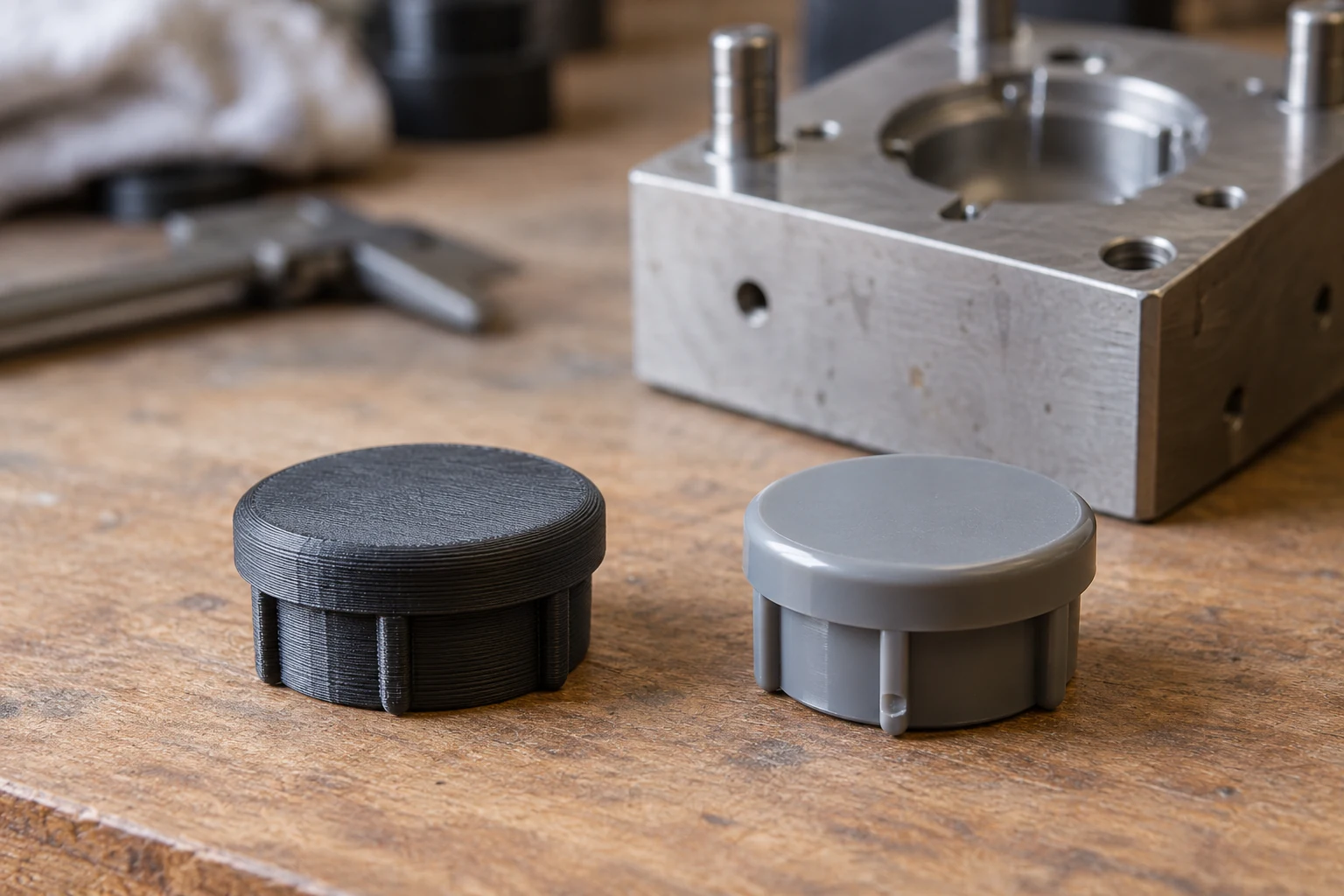
3D printing or injection molding for a small production run?
A low unit price is only useful alongside tooling costs and the actual order size. Compare like-for-like proposals for a tested design.
Read the guide → 3D
Understand pricing, strength, replacement parts, material choices and file preparation before you order. Made in Tallinn, with delivery in Estonia and abroad.
IllustrationA low unit price is only useful alongside tooling costs and the actual order size. Compare like-for-like proposals for a tested design.
Read the guide →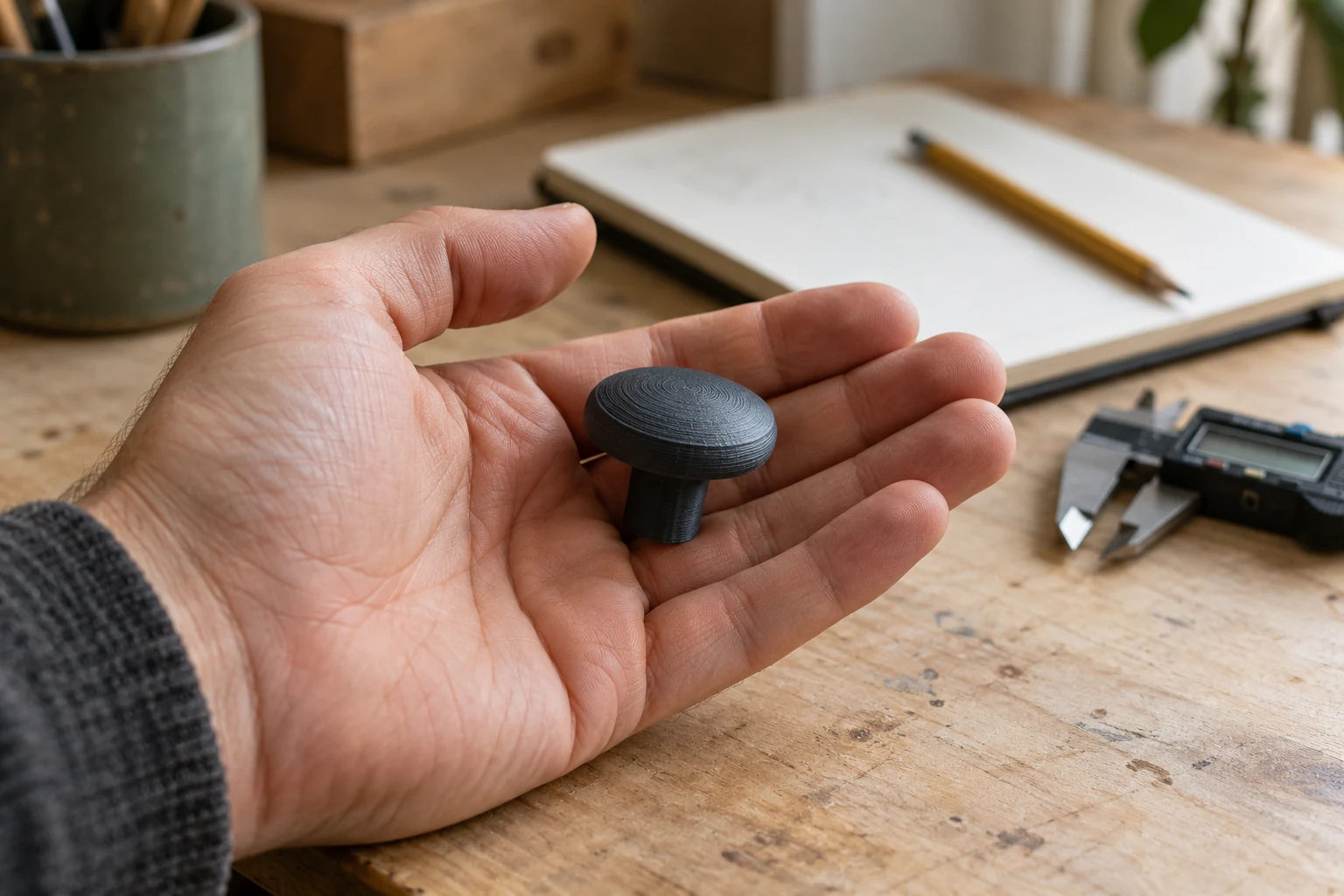 Illustration
Replacing one small part can cost less than replacing the whole item. Here is what goes into the price and where it makes sense to save.
Read the guide →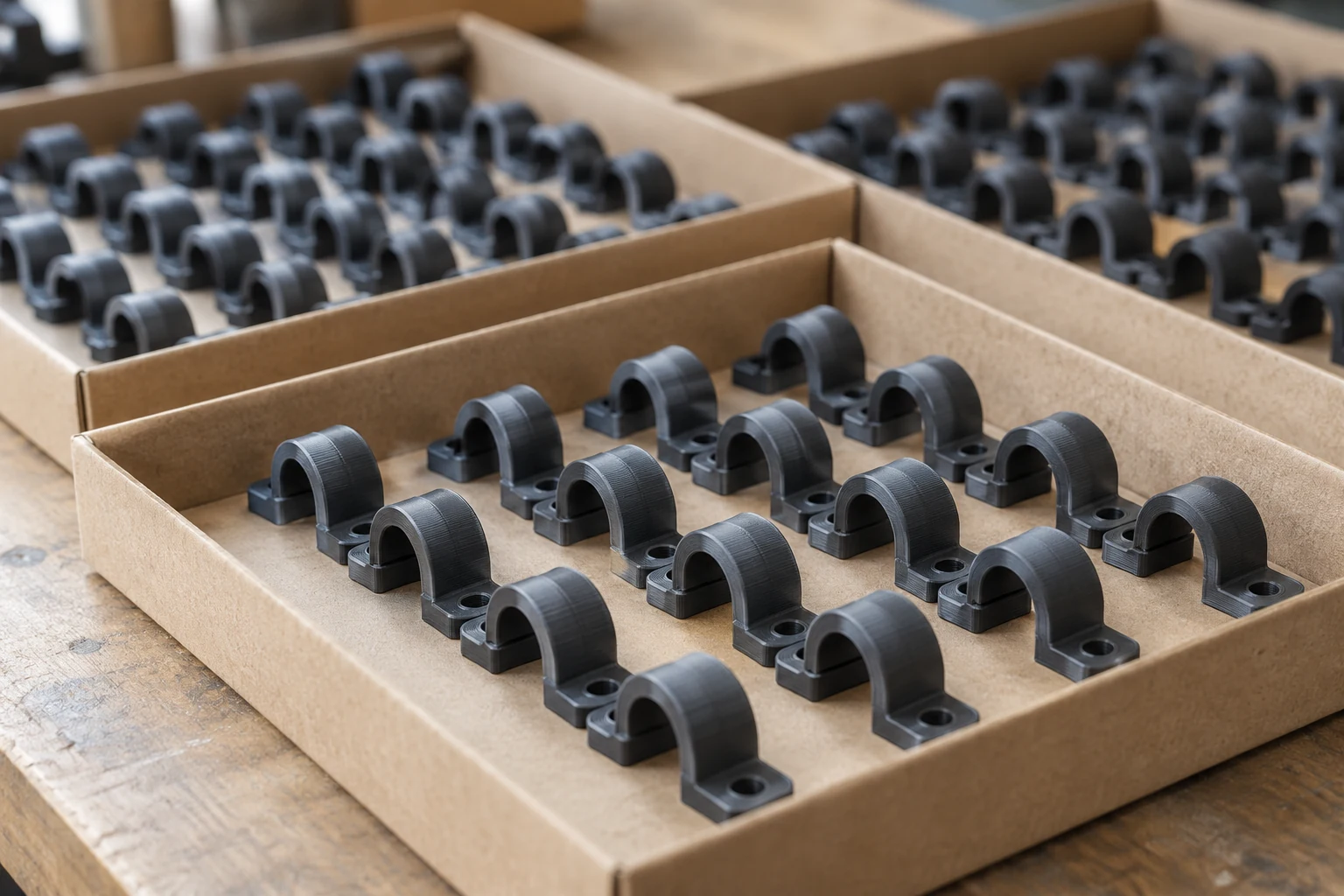 Illustration
One preparation charge covers the order, with printing discounts at 10, 50 and 100 parts. The useful comparison is the complete price per part.
Read the guide →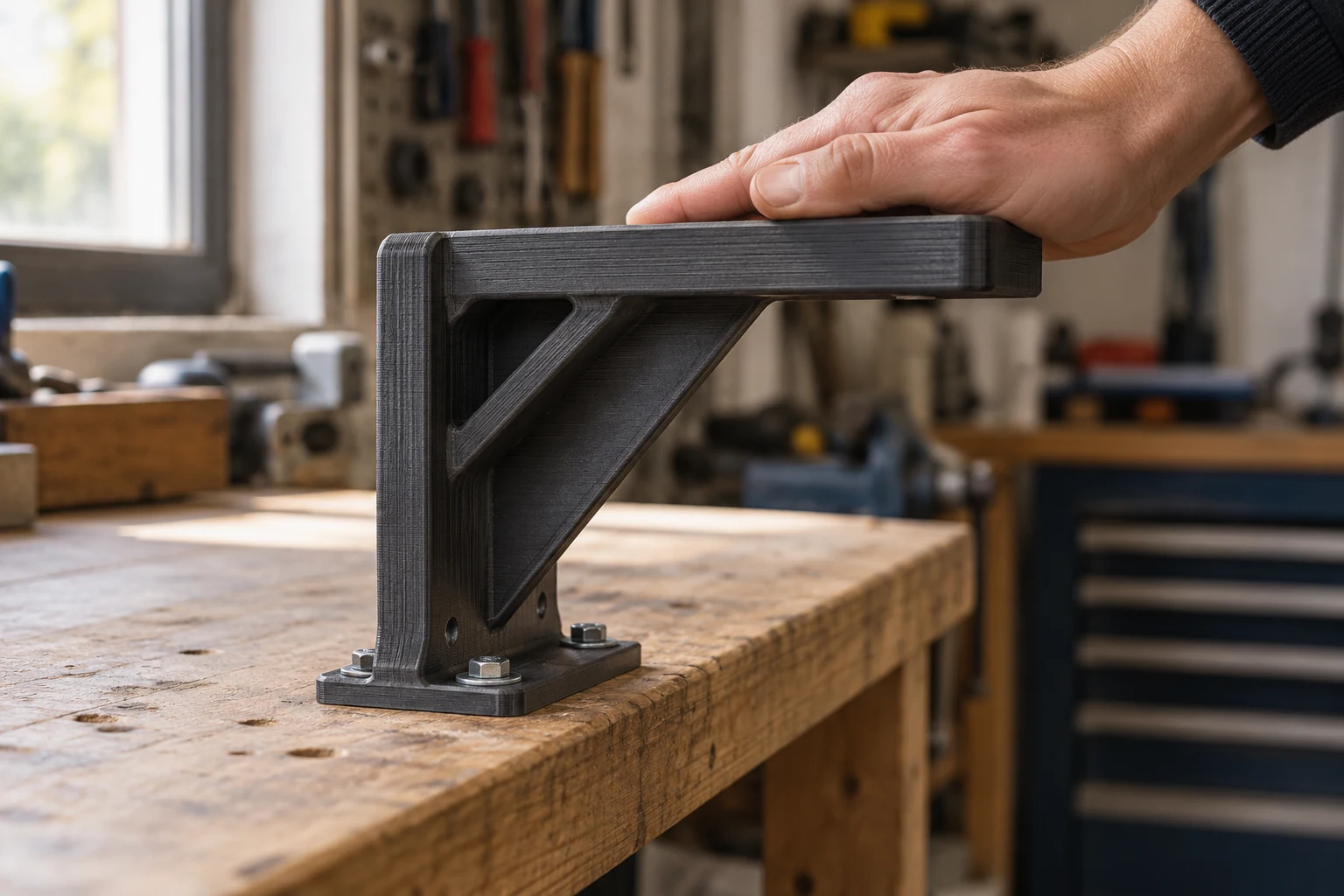 Illustration
Strength is a property of the complete part in its working conditions. Material choice and infill percentage are only part of the discussion.
Read the guide →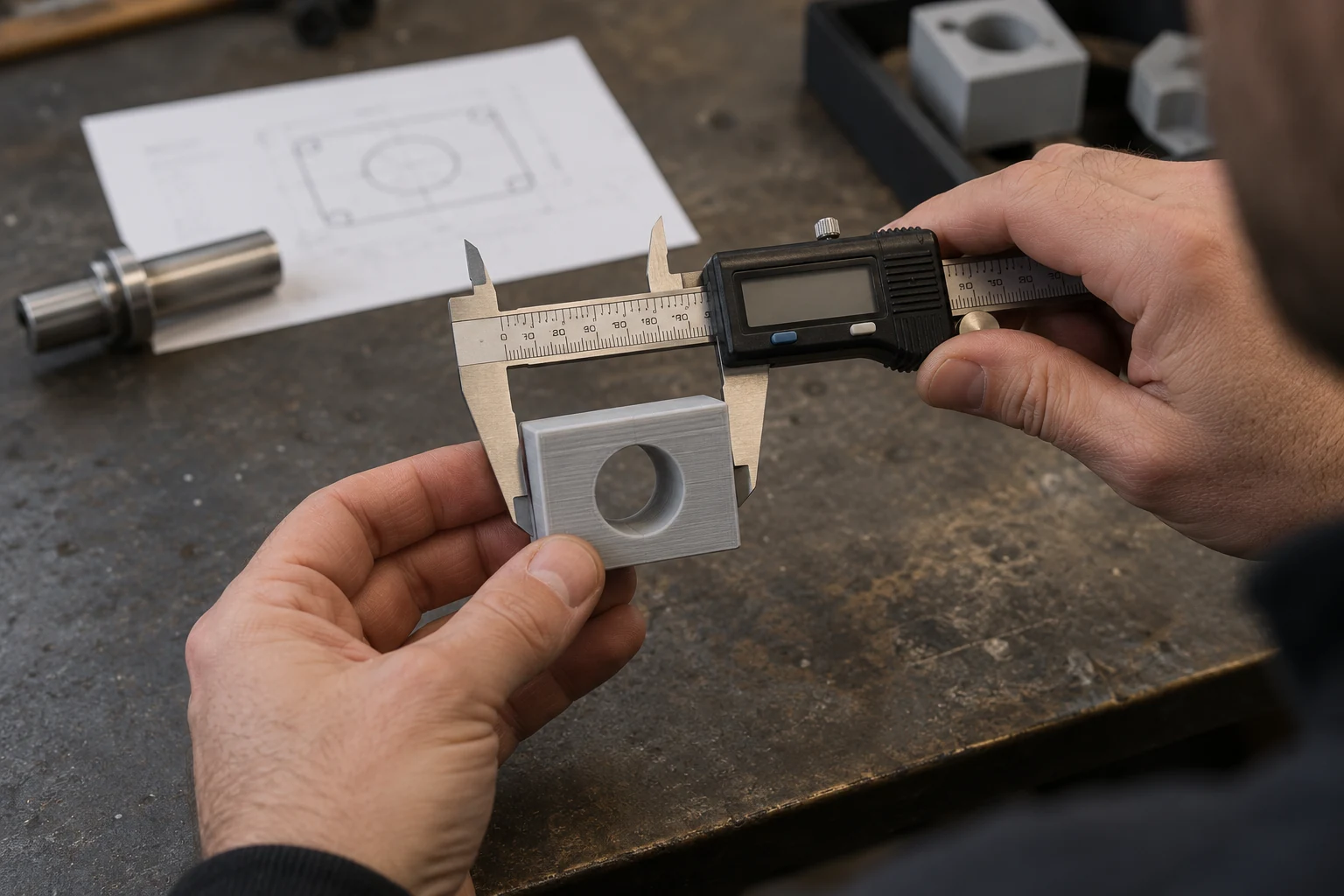 Illustration
The outside size is only part of the specification. A lid or bracket may depend much more on a hole, a mating surface or a clearance.
Read the guide →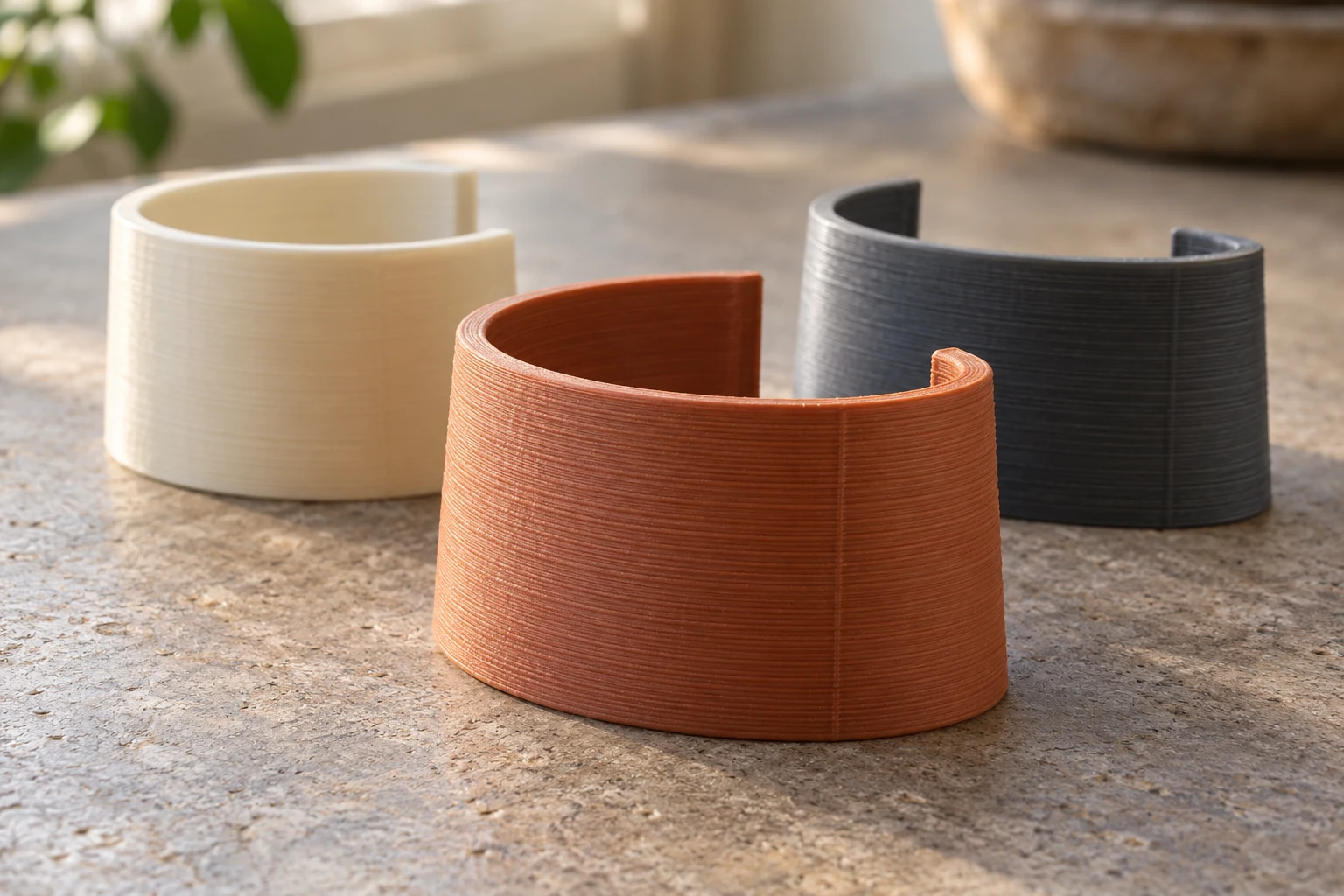 Illustration
A smooth 3D preview shows the geometry, rather than the exact printed texture. Agree the visible surfaces and finish before placing the order.
Read the guide →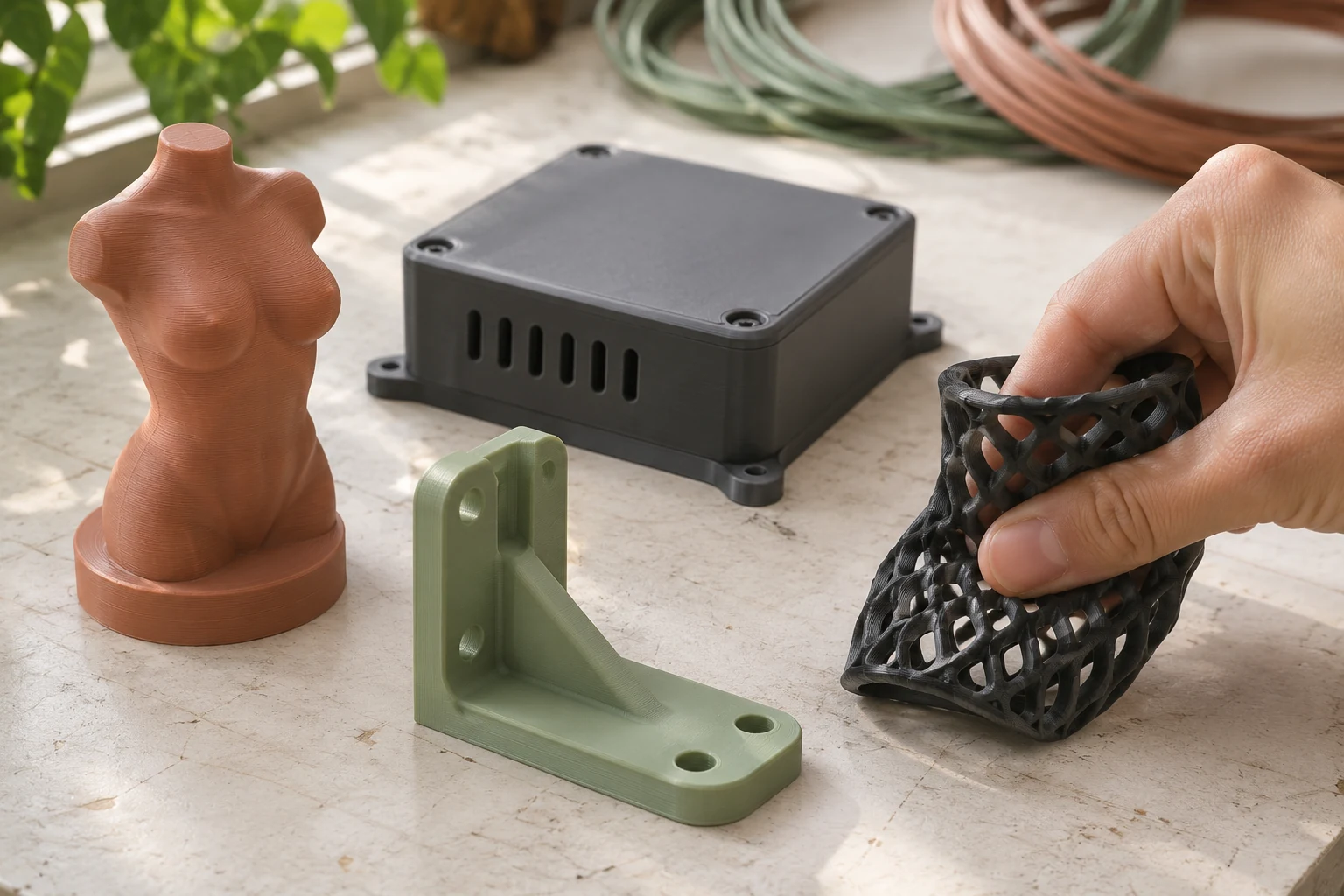 Illustration
Choose a material around the conditions the finished part will face. Color and price help refine the choice after that. These four materials provide different starting points for a discussion with the workshop.
Read the guide →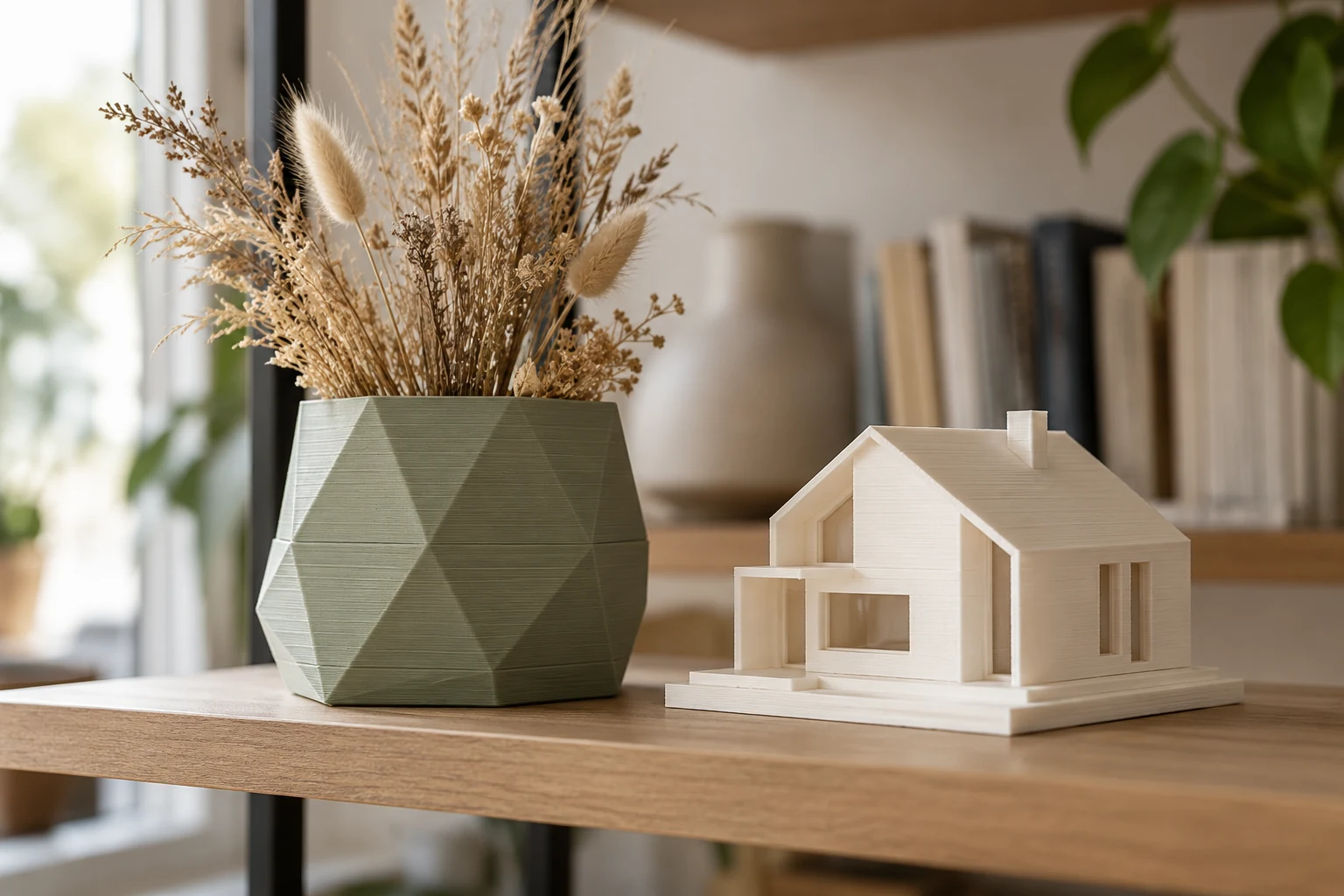 Illustration
PLA is a useful starting point for an indoor model or a shape test. Choose it for the job it needs to do, rather than the minimum price alone.
Read the guide →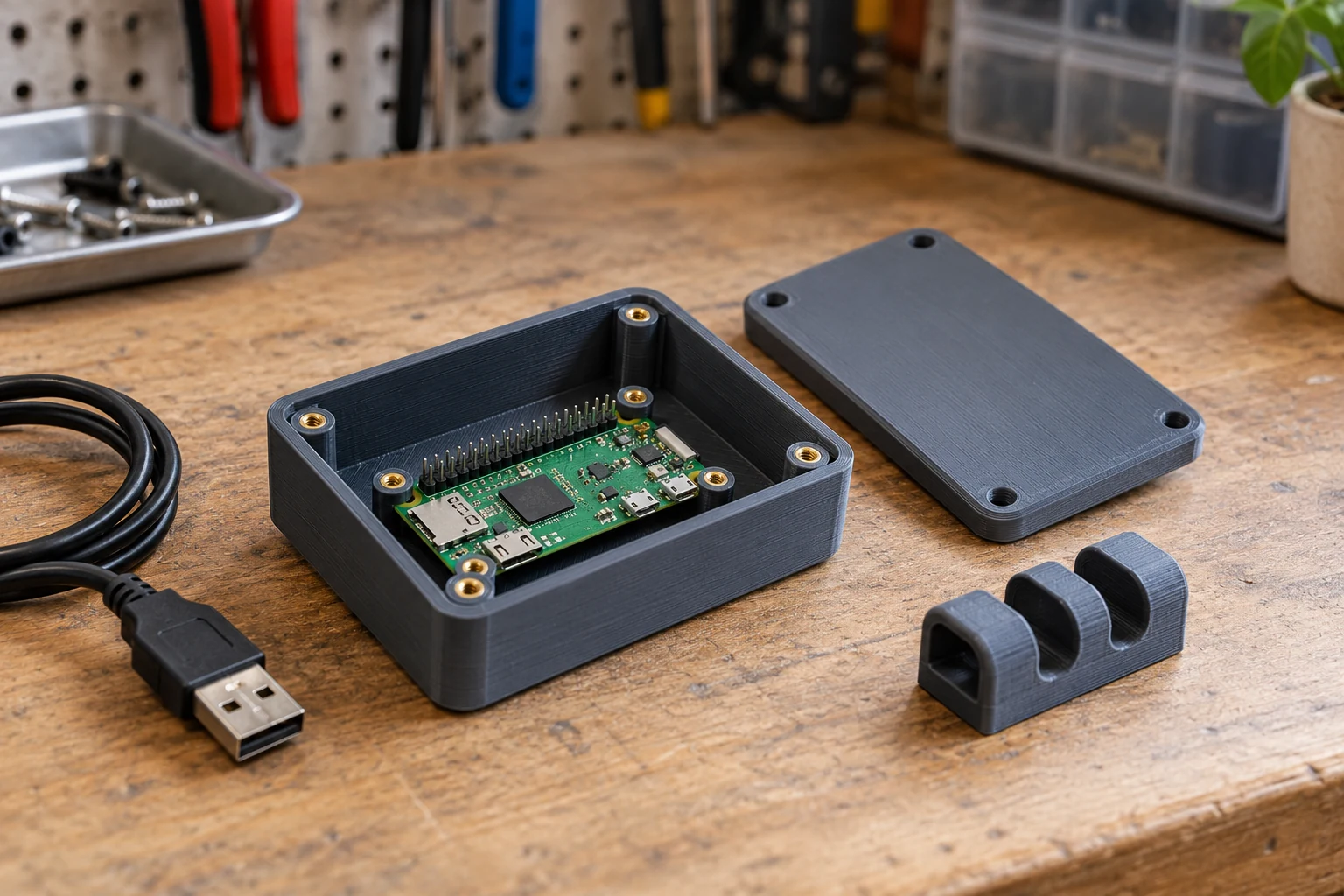 Illustration
PETG can be a starting point for a useful everyday part. The whole design and the way it will be used still need to be considered.
Read the guide →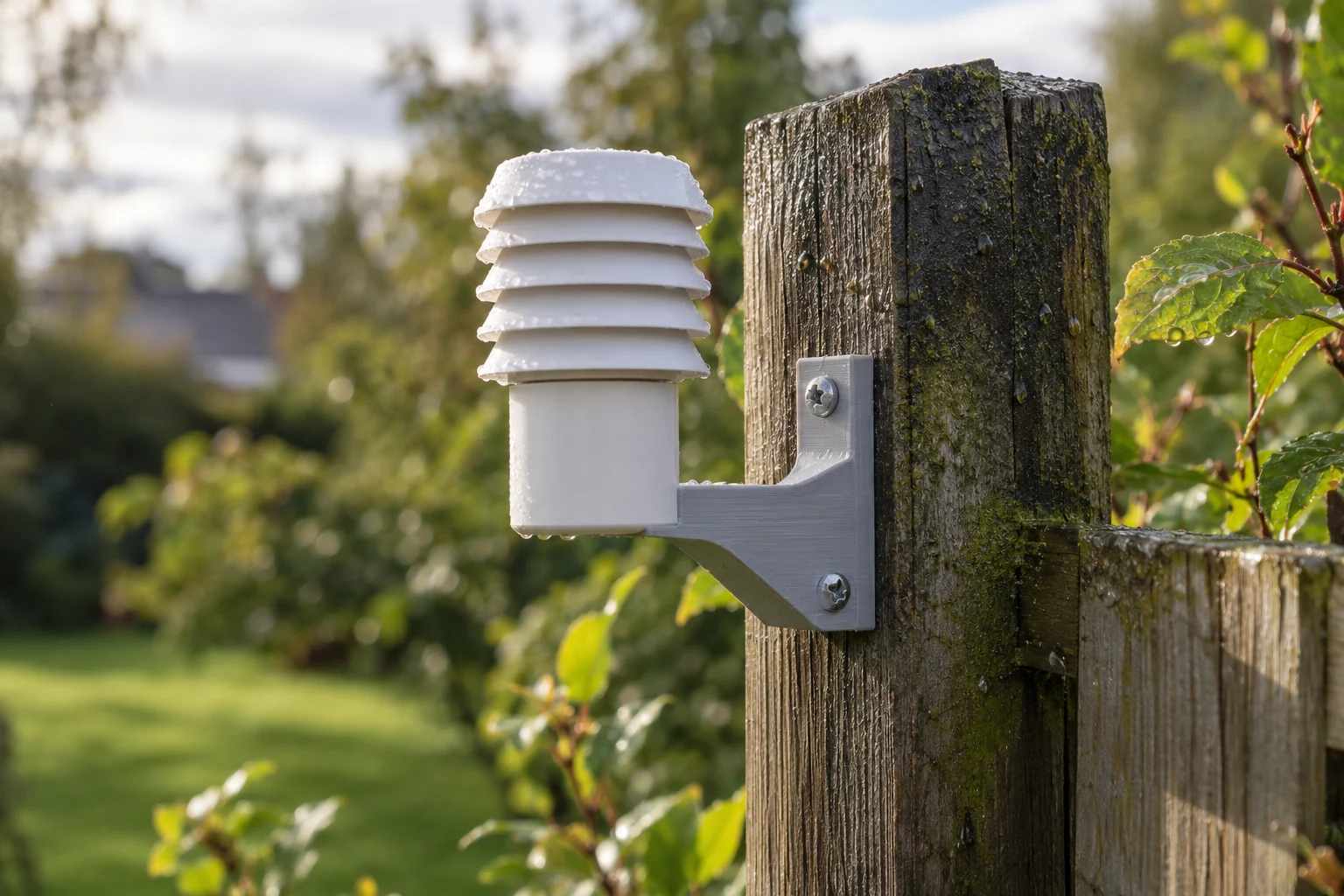 Illustration
An outdoor part faces more than the weather. Describe its load, mounting and installation position before choosing a material.
Read the guide →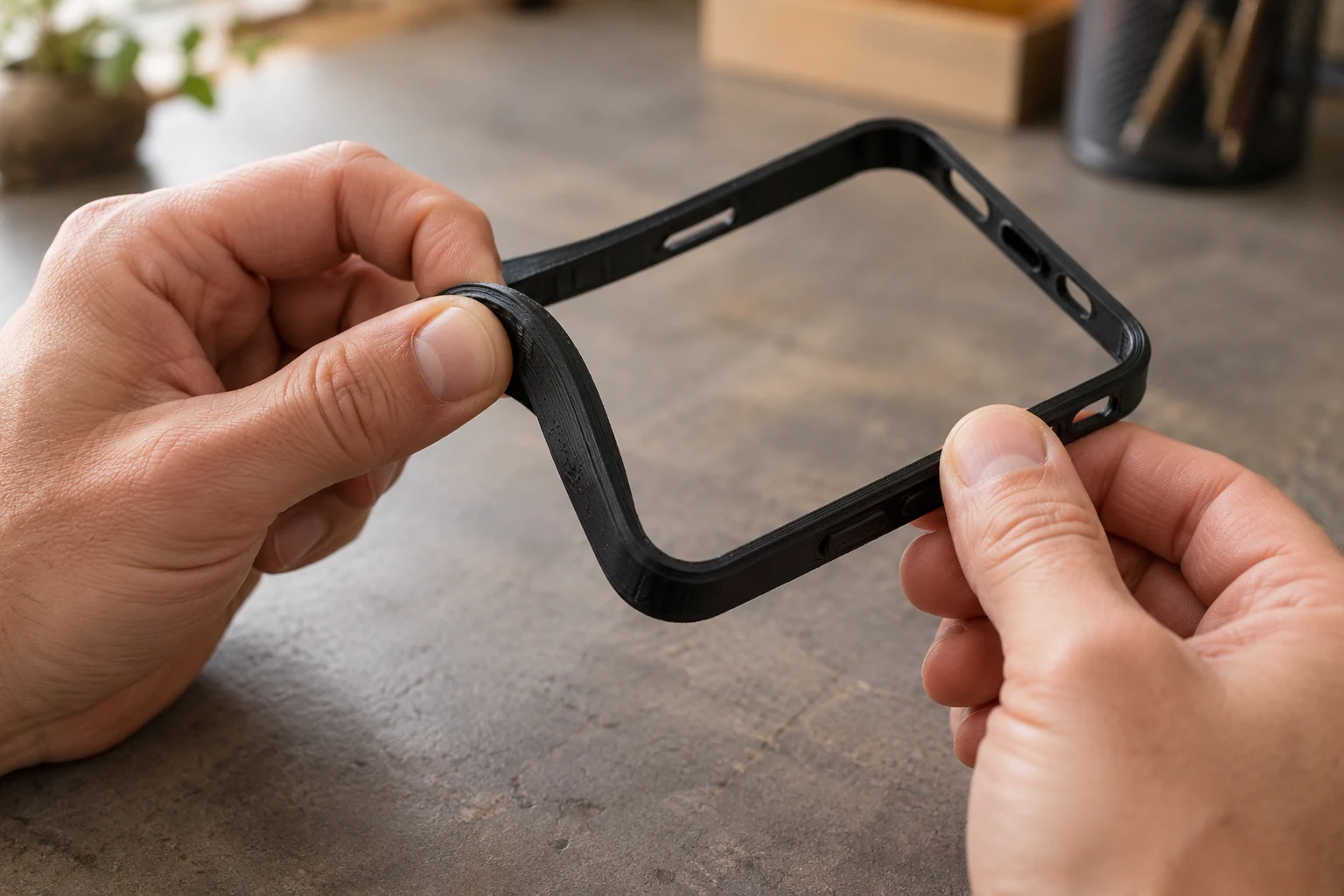 Illustration
Sometimes a part needs to bend or cushion contact. Describe the movement you need, then check the result on a sample.
Read the guide →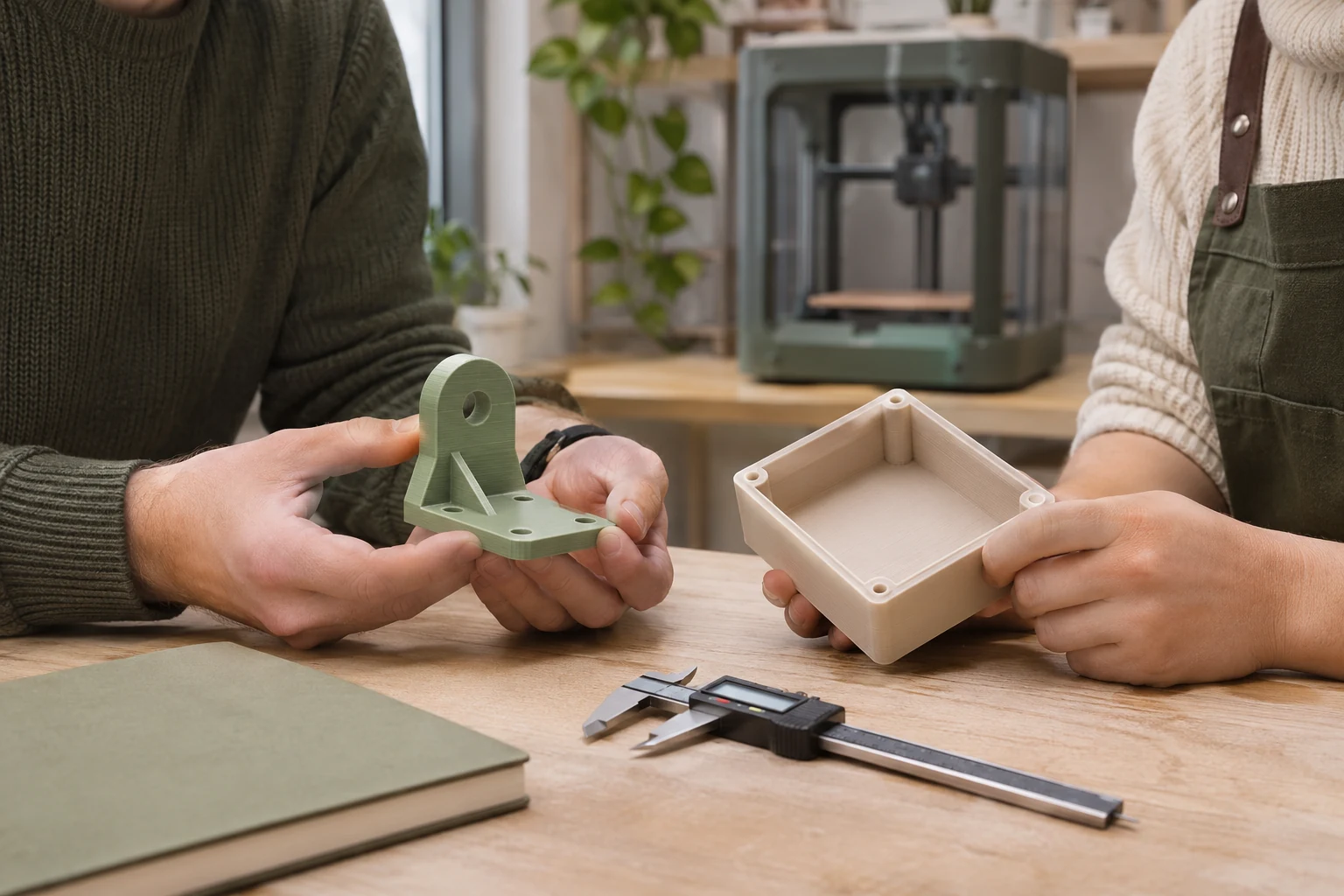 Illustration
Start with the job your part needs to do. Then compare the material, estimate and collection arrangements. Here is how that conversation works when ordering from DECORDS 3D in Tallinn.
Read the guide →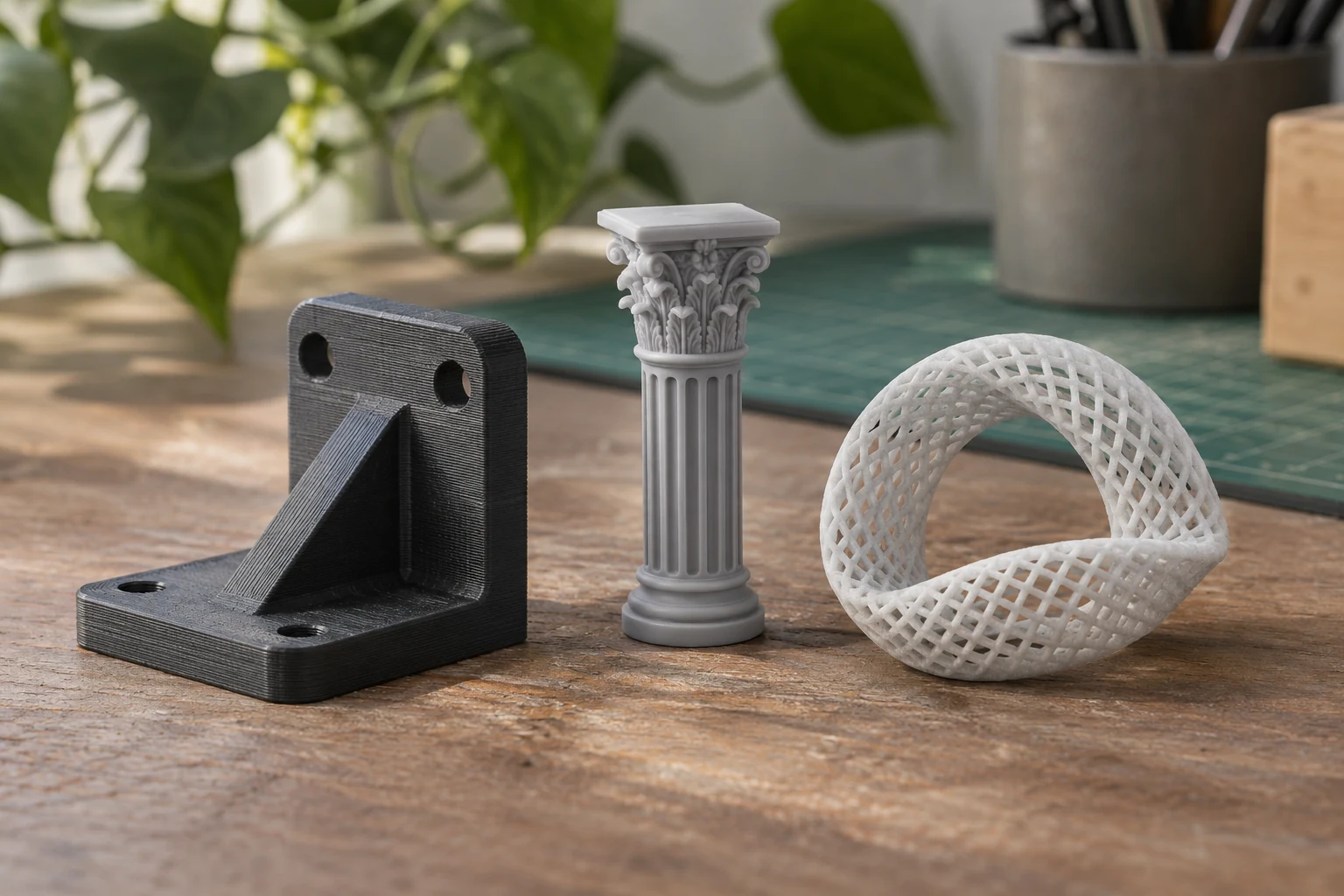 Illustration
3D printing describes several manufacturing processes. The useful choice depends on your part’s geometry, surface and purpose. Here is how to frame the requirements before requesting a quote.
Read the guide →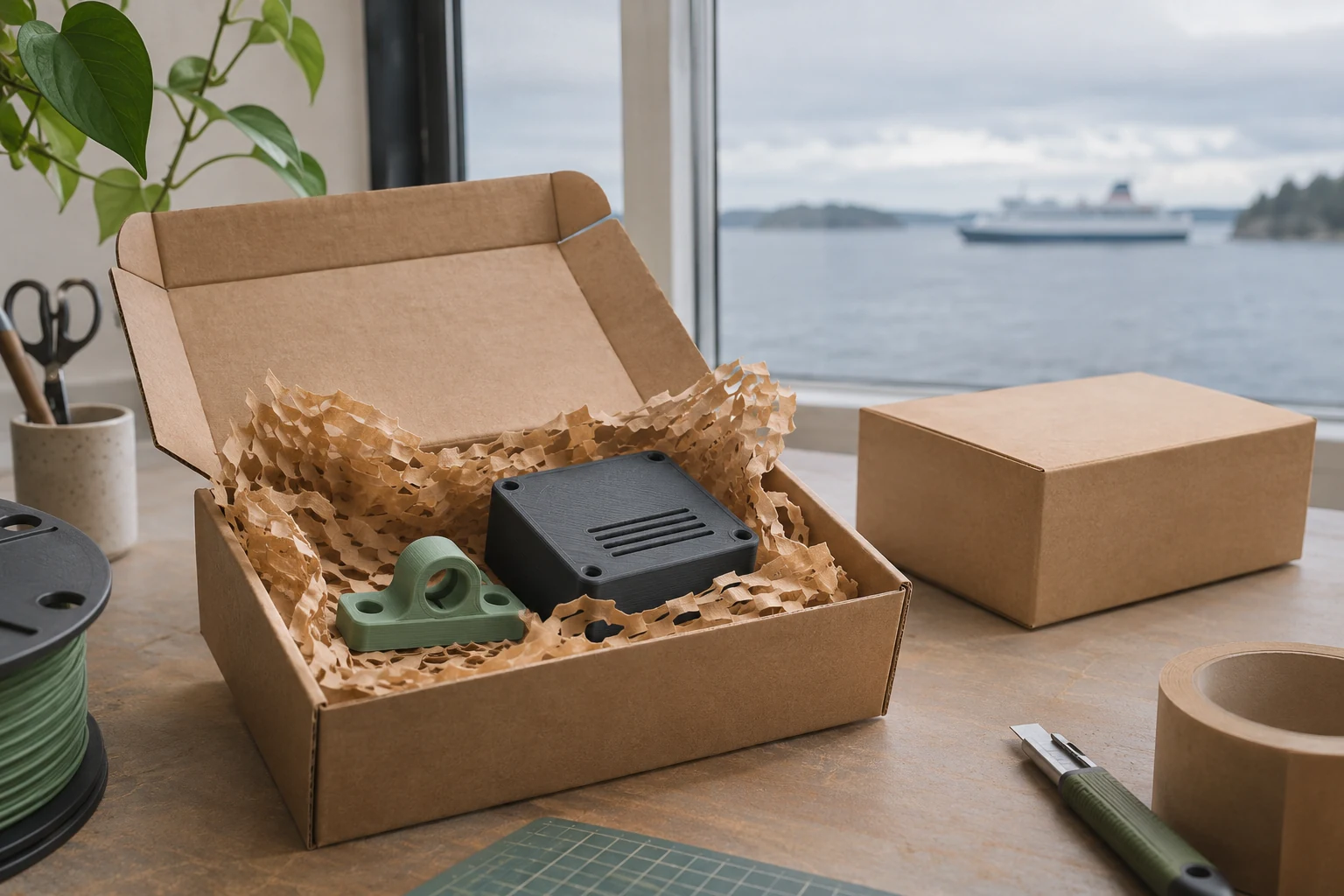 Illustration
You can prepare a Tallinn printing order without visiting the workshop. Agree the model, price and handover before manufacturing starts. Here is the process when you are ordering from Finland.
Read the guide →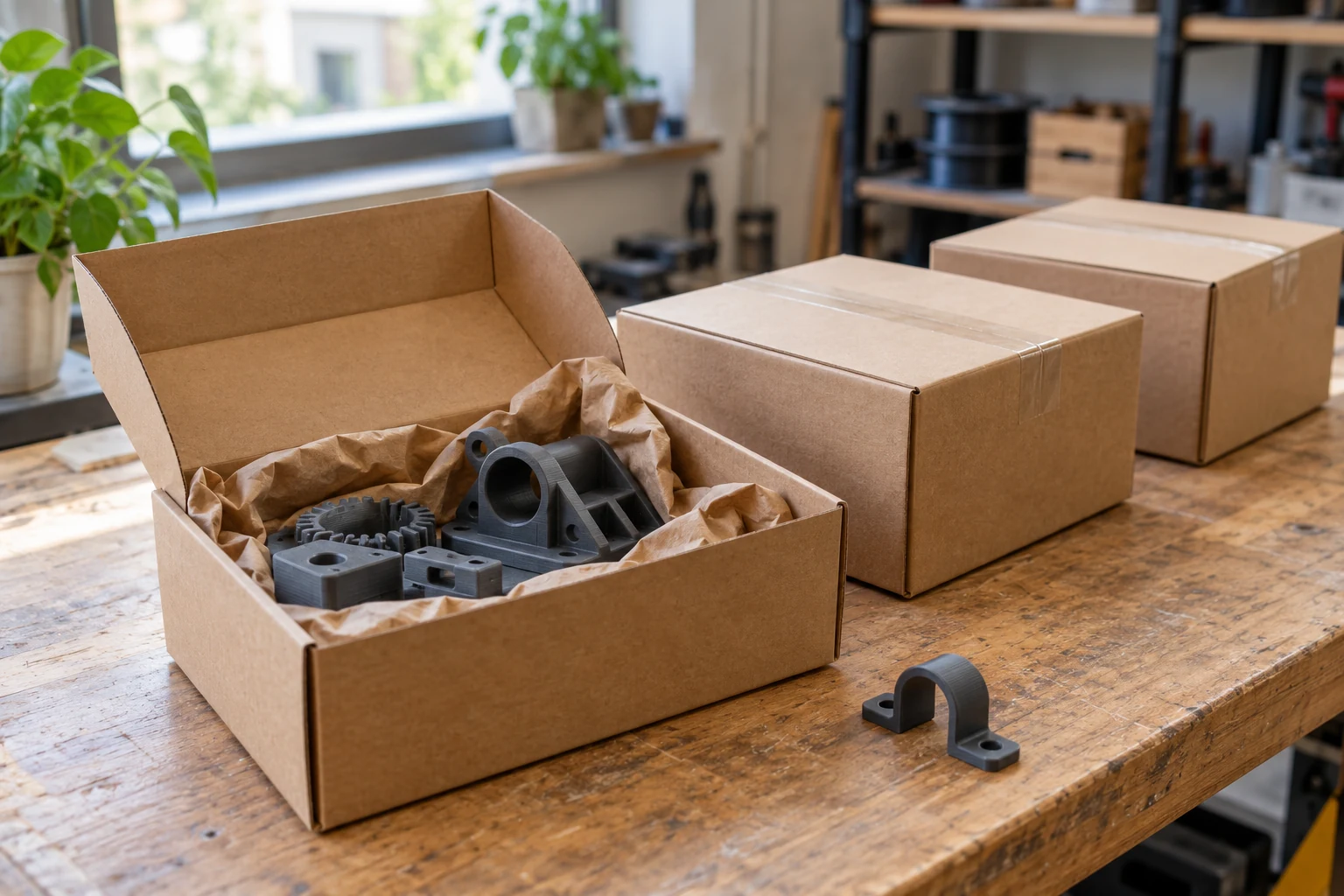 Illustration
Production is usually three days after approval and payment. Modeling and transit are separate stages, so plan around the date you need the part in hand.
Read the guide →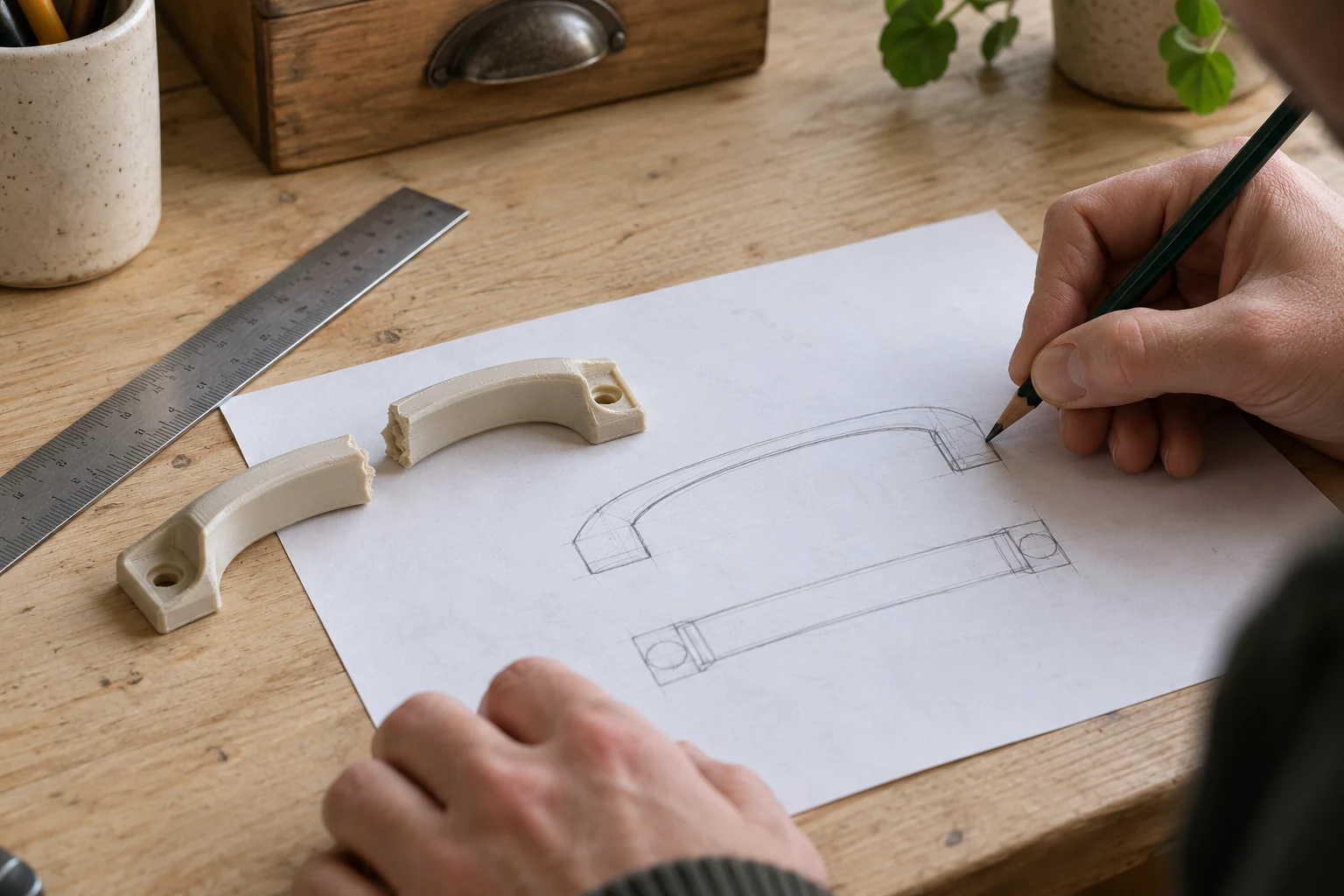 Illustration
You do not need a finished file to start a conversation. A clear task, useful photographs and the important dimensions are the right first step.
Read the guide →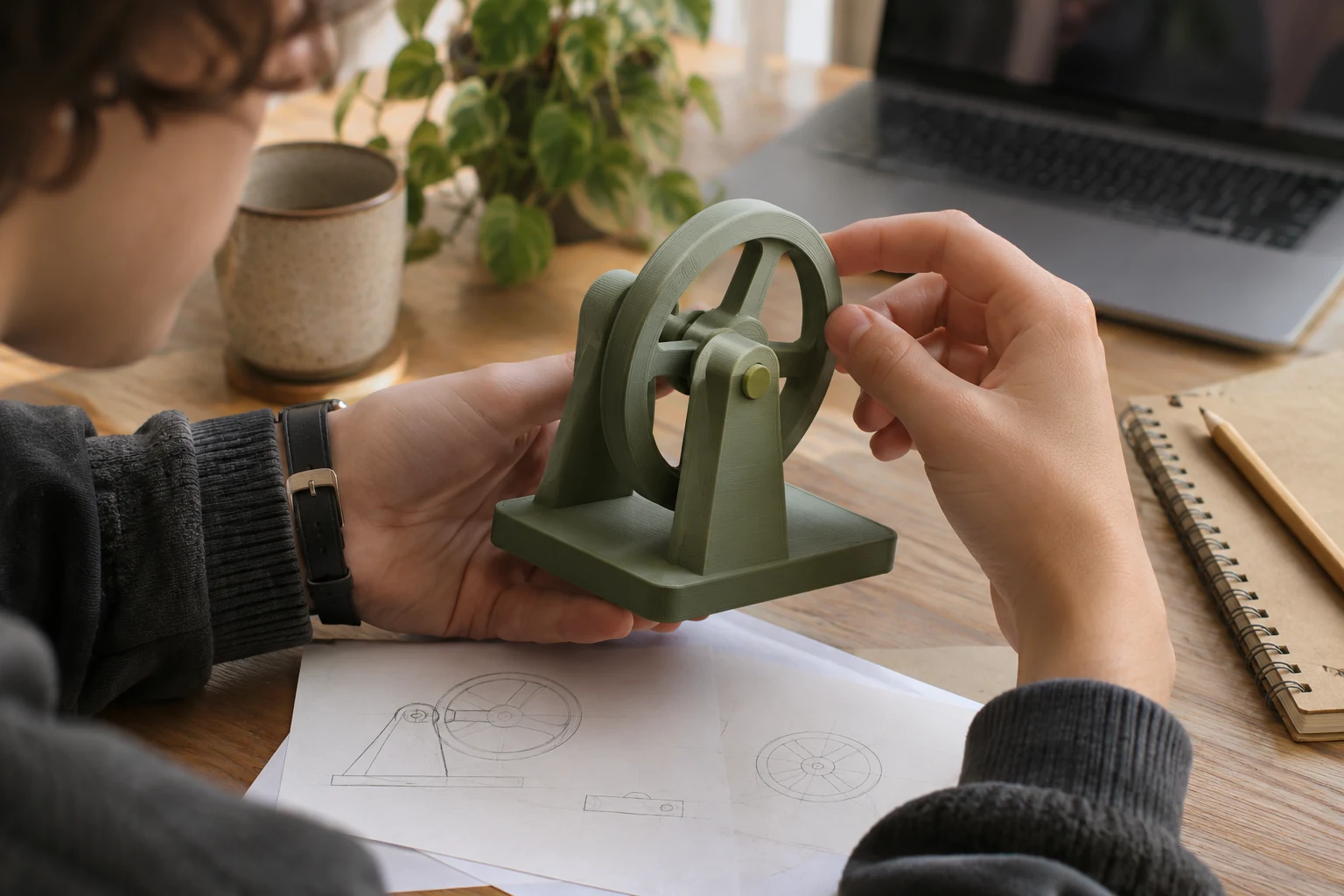 Illustration
A student project often becomes clearer when you can show it at its real size and handle it. First decide what the physical sample needs to demonstrate. That gives the workshop a useful brief without making the request unnecessarily complicated.
Read the guide →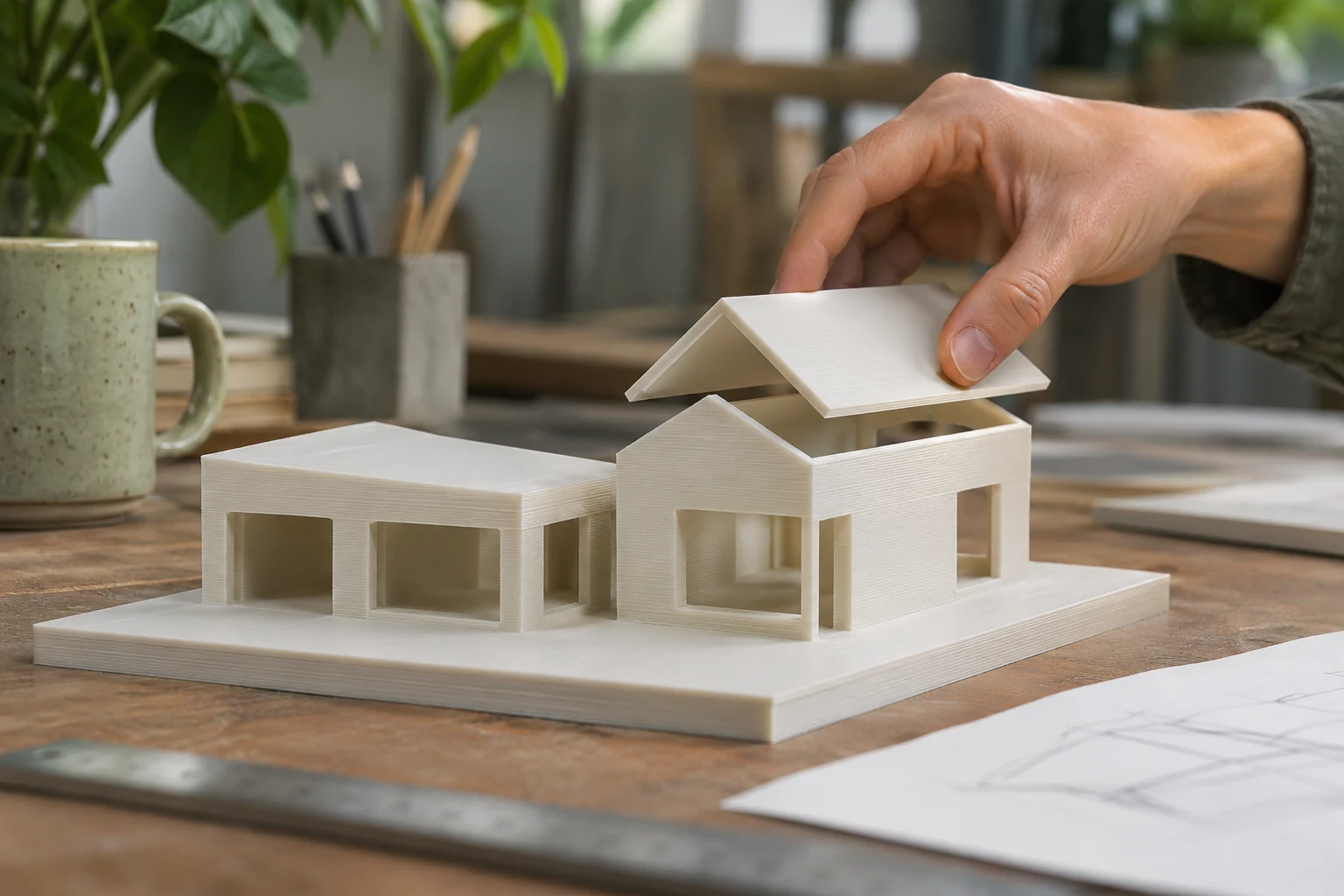 Illustration
A physical model makes it easier to discuss a building’s form and the relationship between its parts. Define the finished size and purpose before printing. Then agree which features need to remain clear at that scale.
Read the guide →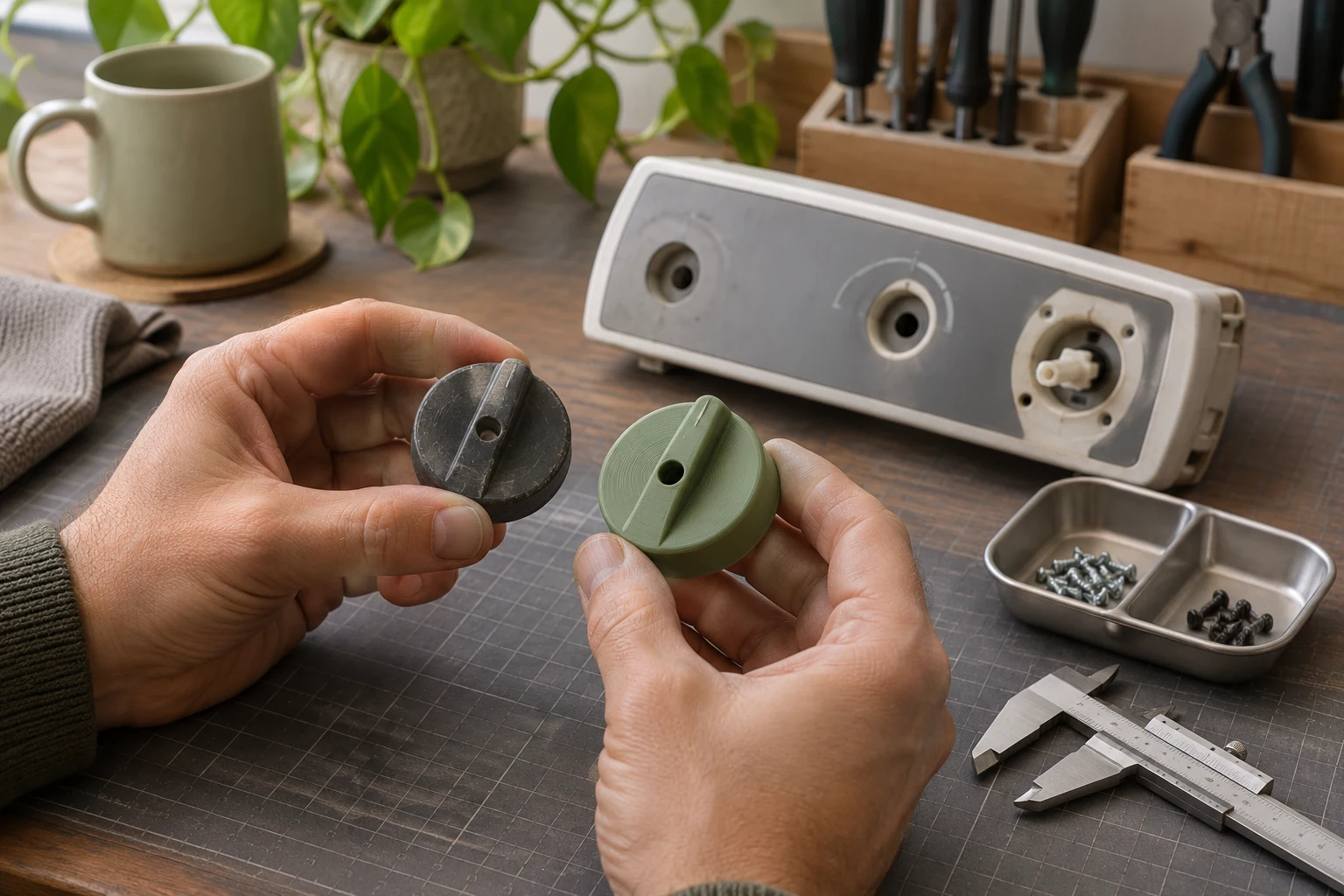 Illustration
A repair sometimes needs a plastic component that is difficult to buy separately. Before making it, establish the shape, connection and working conditions. A clear brief helps a repair shop discuss the replacement with the printing workshop.
Read the guide →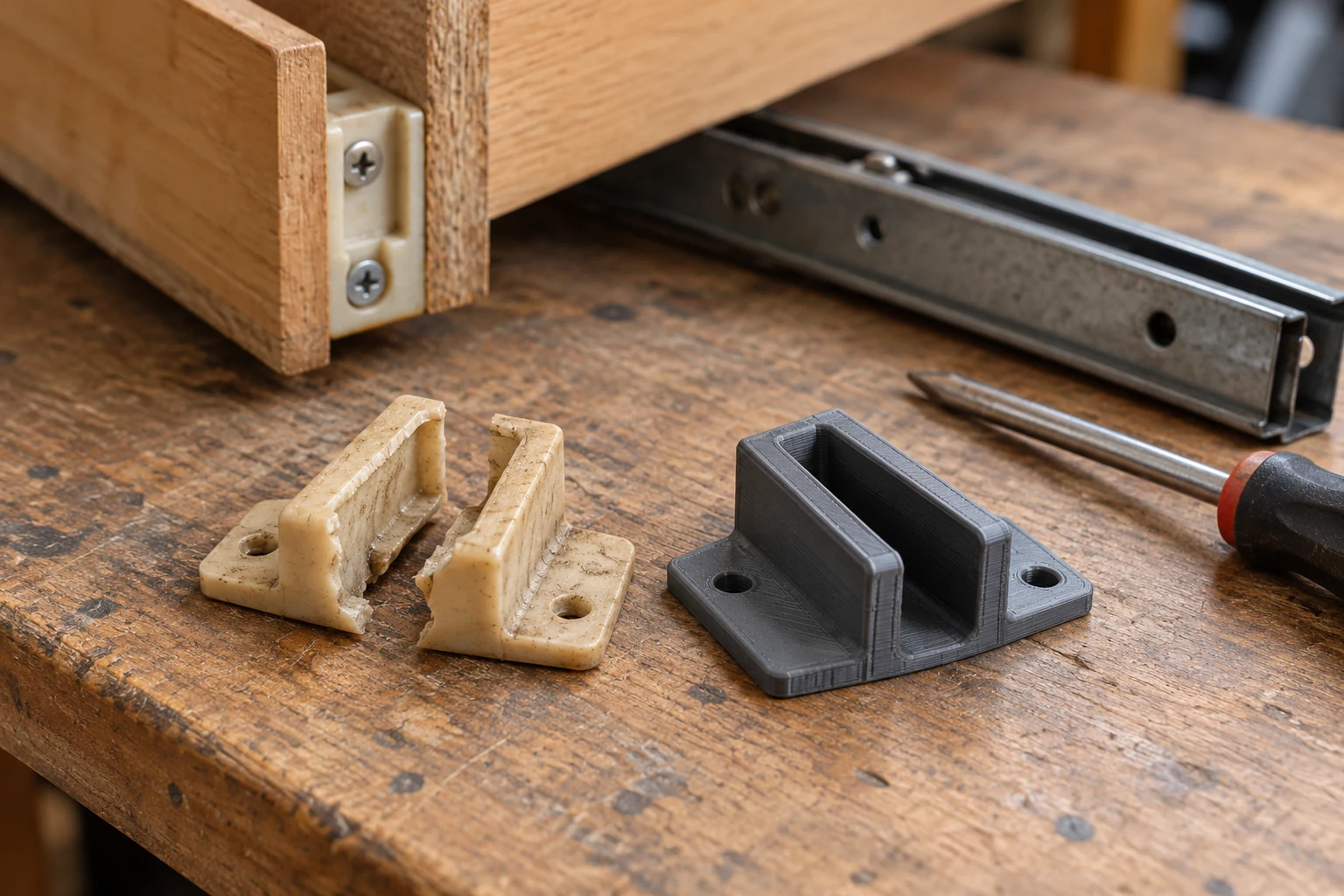 Illustration
A small broken component can make a useful item unusable. First understand the failure, then decide whether a printed replacement is the right repair.
Read the guide →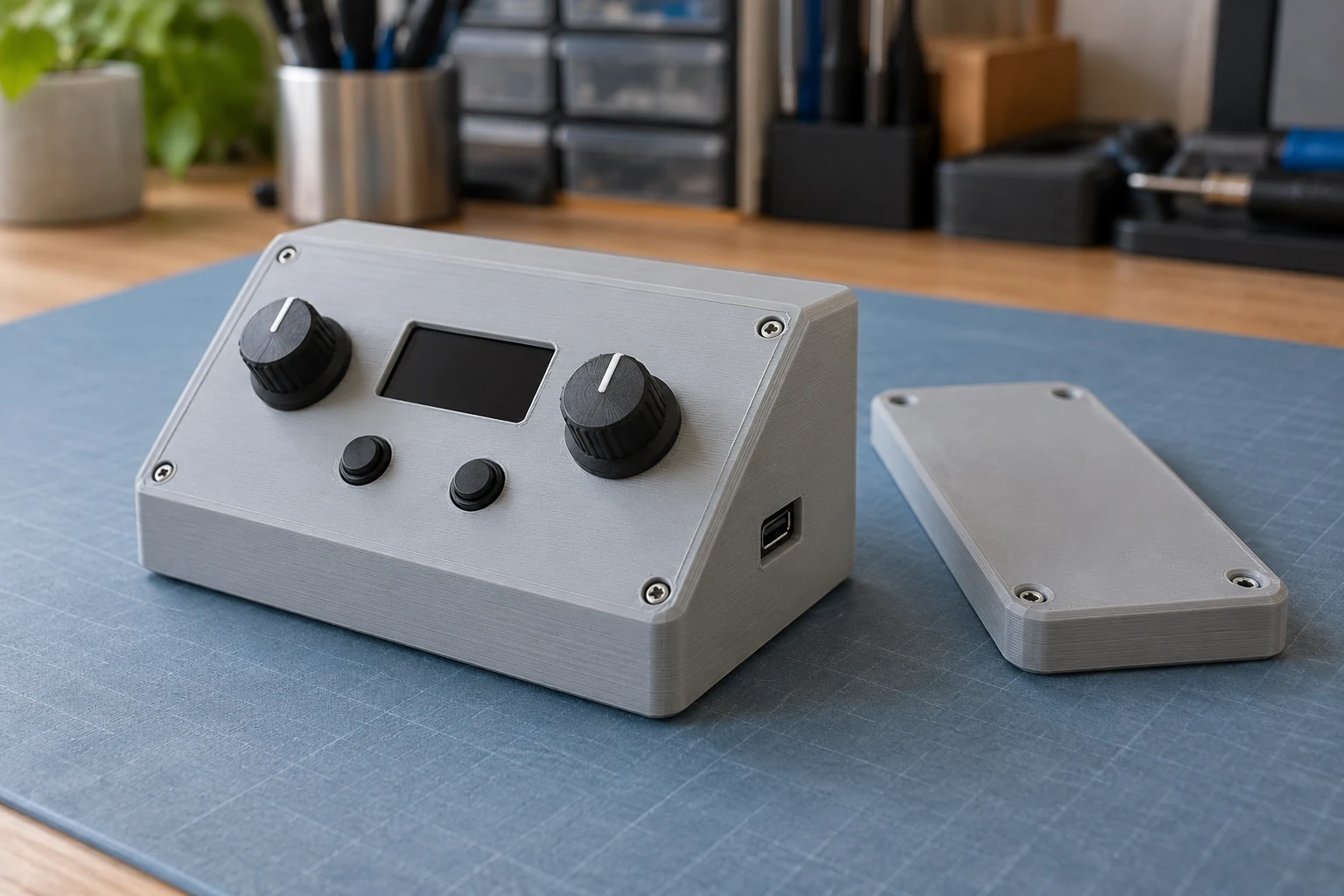 Illustration
Start with what needs to fit inside. A case that holds the circuit board may still leave no room for the connected cables.
Read the guide →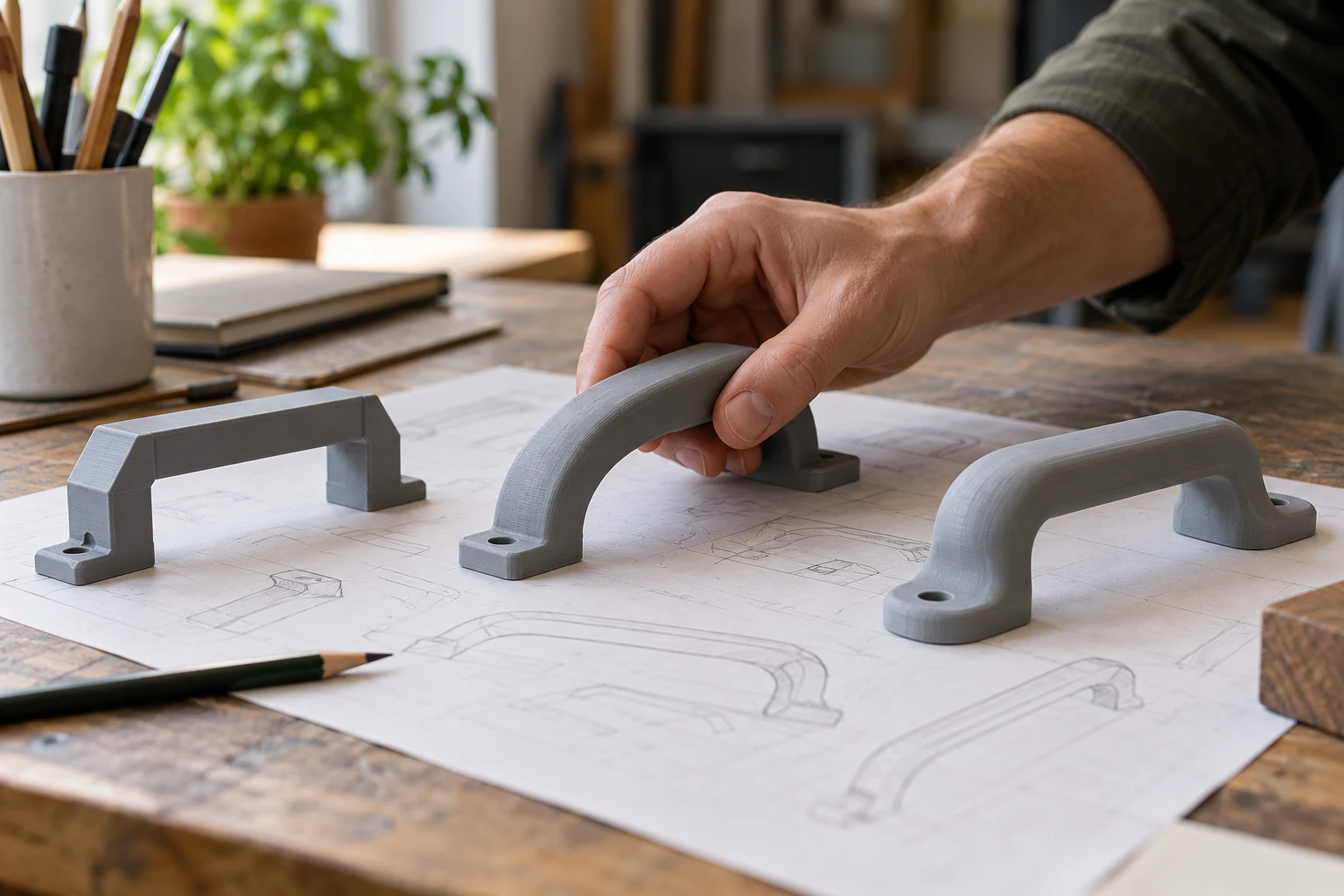 Illustration
A useful first prototype does not need to do everything. Decide which uncertainty it should resolve, then use the result to improve the next version.
Read the guide →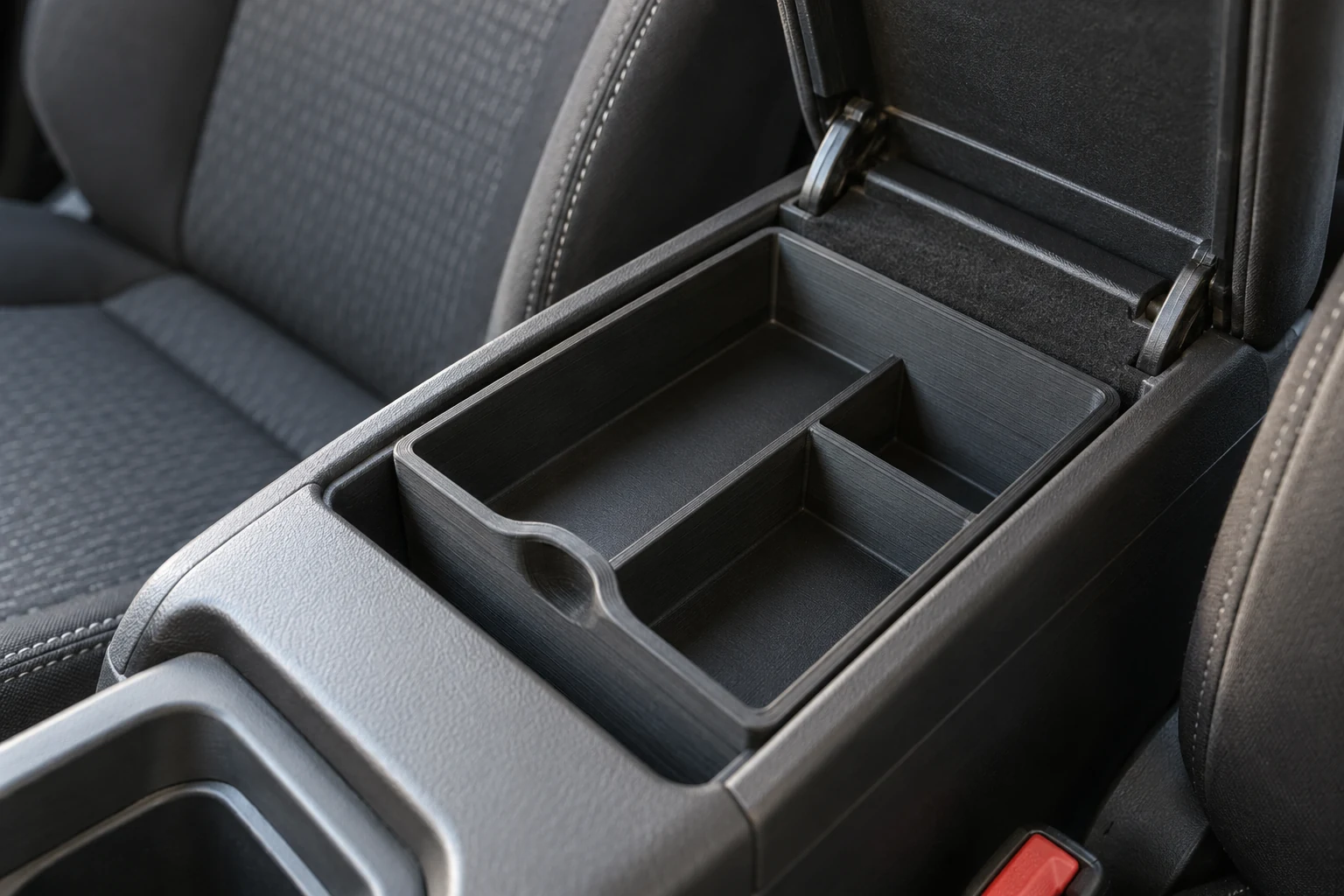 Illustration
An organizer in a closed compartment and a part beside the windscreen face different conditions. Start with the location and purpose.
Read the guide →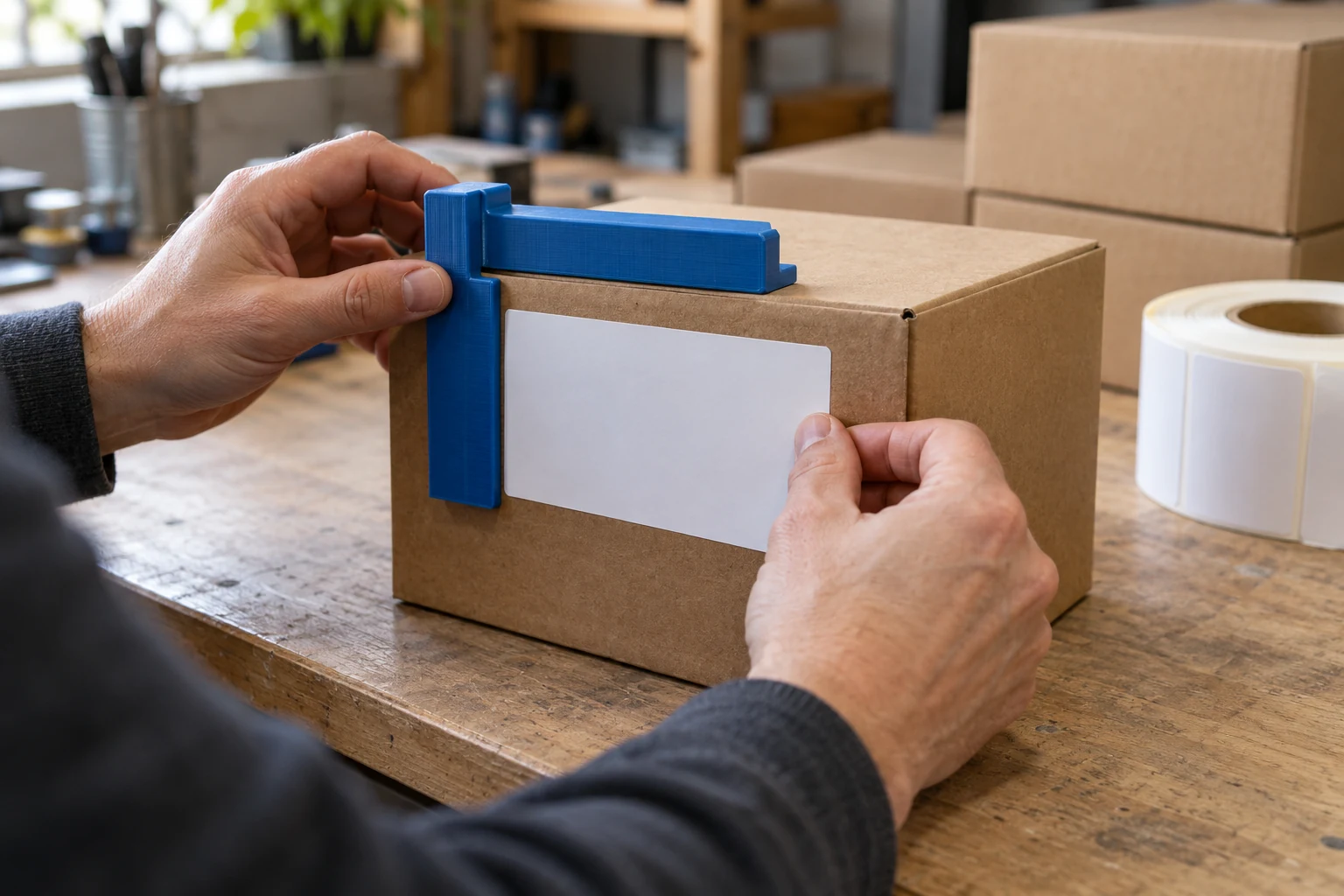 Illustration
One useful holder can be a better starting point than a complete workplace redesign. Look for a recurring problem and test the simplest improvement.
Read the guide →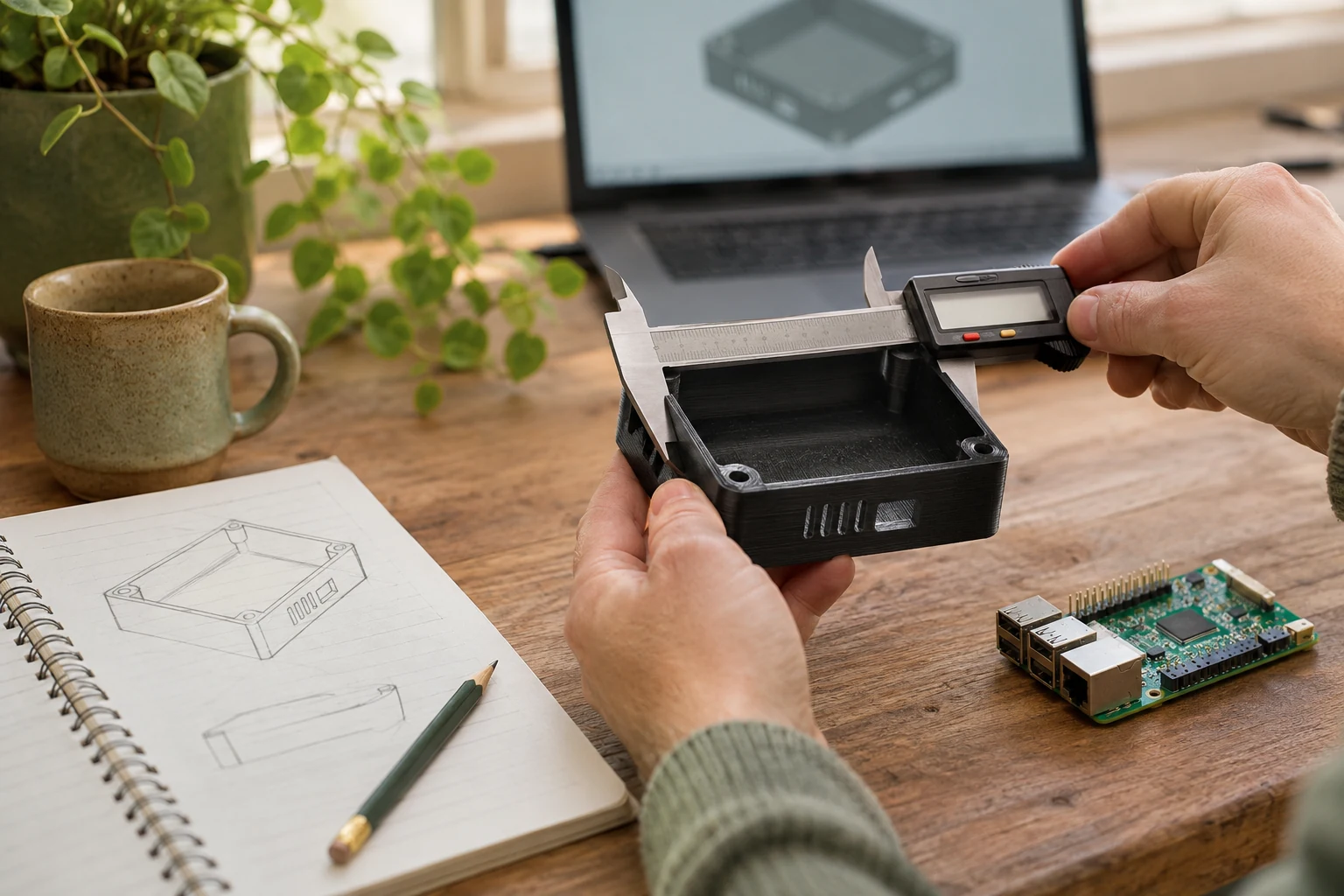 Illustration
A useful inquiry does not need to be a complicated technical document. It needs to explain the part’s purpose and how you will check it. That gives the workshop a clear starting point for a prototype or small batch.
Read the guide →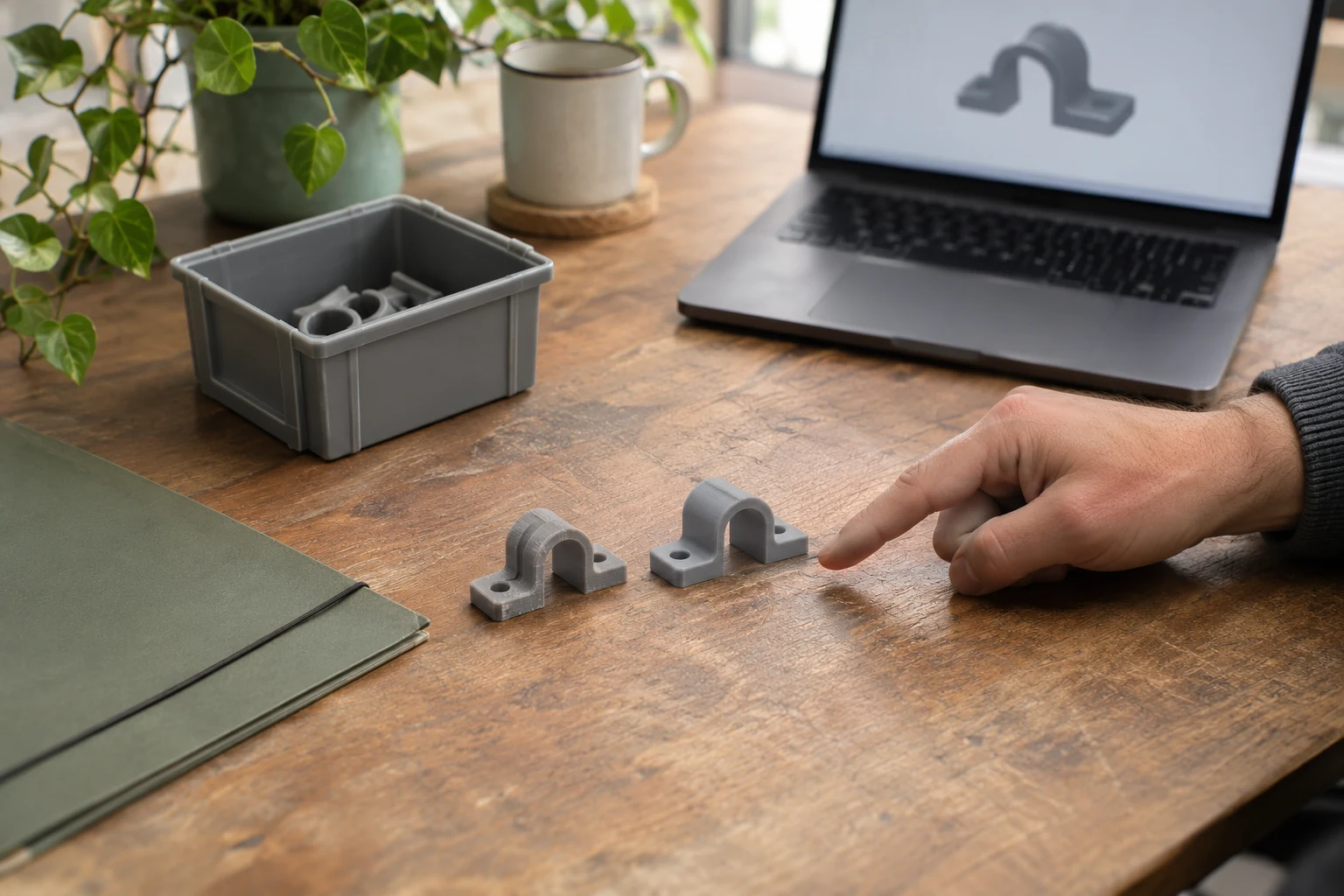 Illustration
A repeat order starts with the version you actually tested. A part’s name and color do not describe every manufacturing parameter. Keep the information that will help the next request refer to the same approved result.
Read the guide →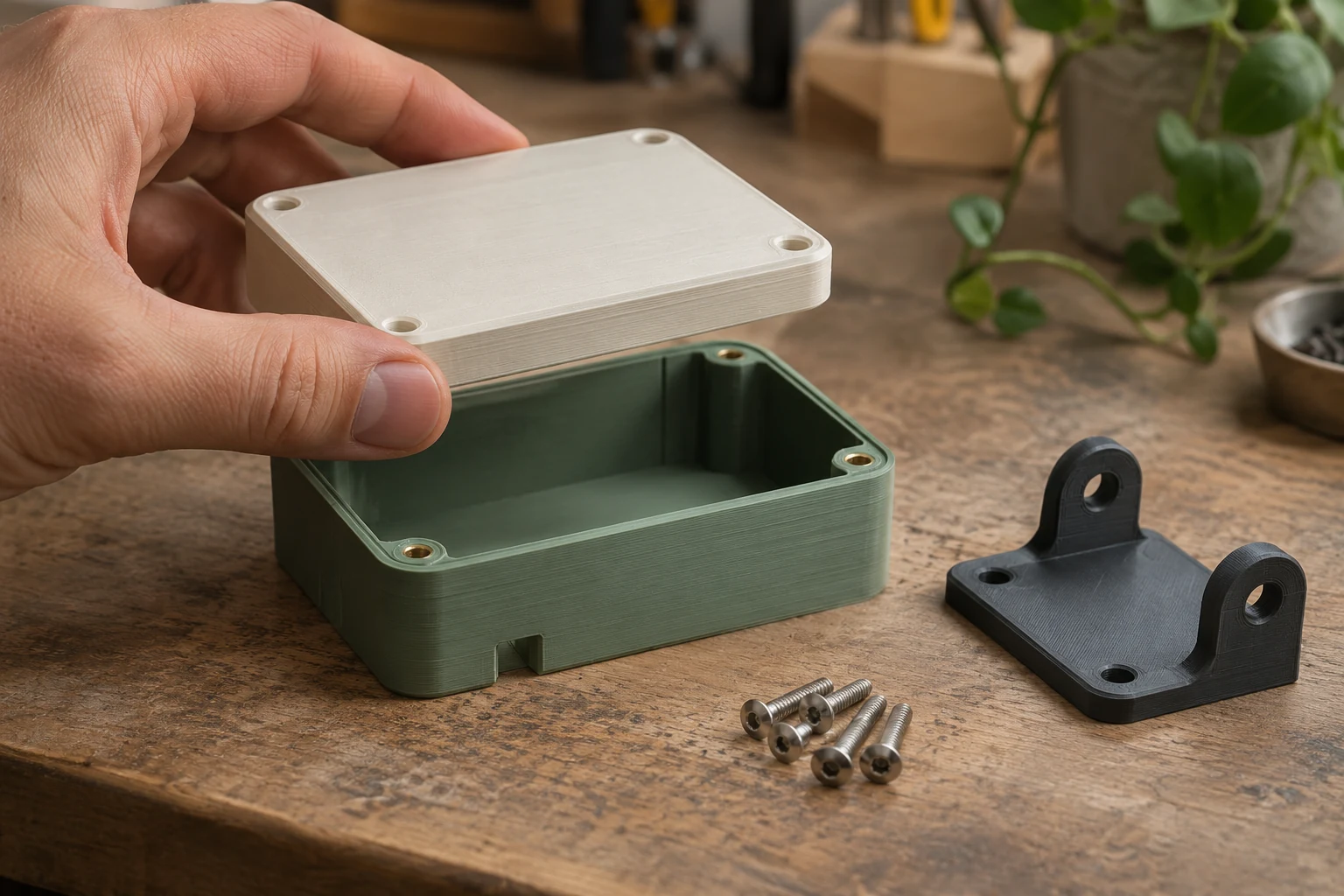 Illustration
An enclosure with a lid or a small display model may contain several printed components. A useful request describes each part and the complete set. That gives the workshop enough information to discuss how they will work together.
Read the guide →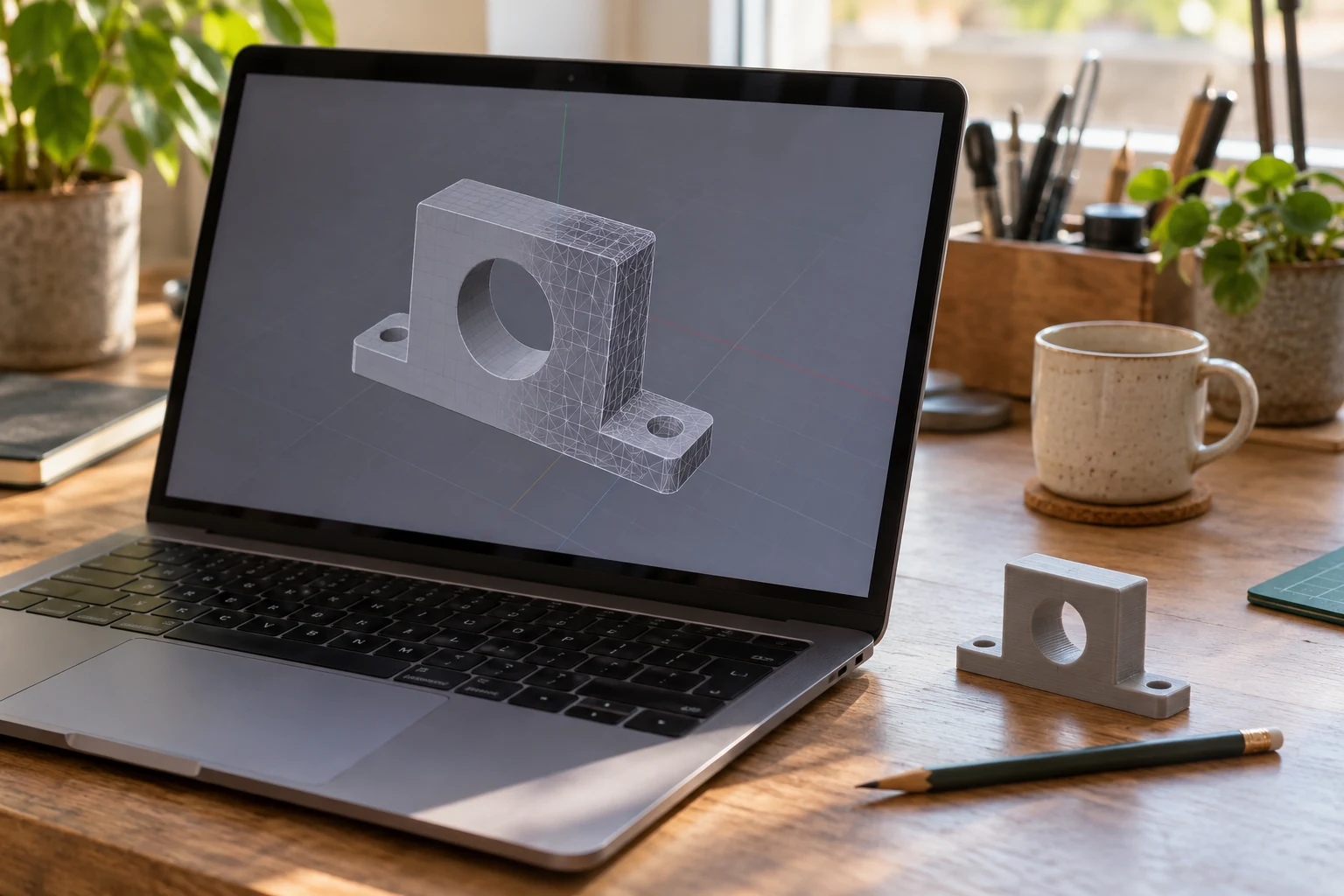 Illustration
A model appearing in a viewer is the first check. The correct units, final version and printable geometry still matter.
Read the guide →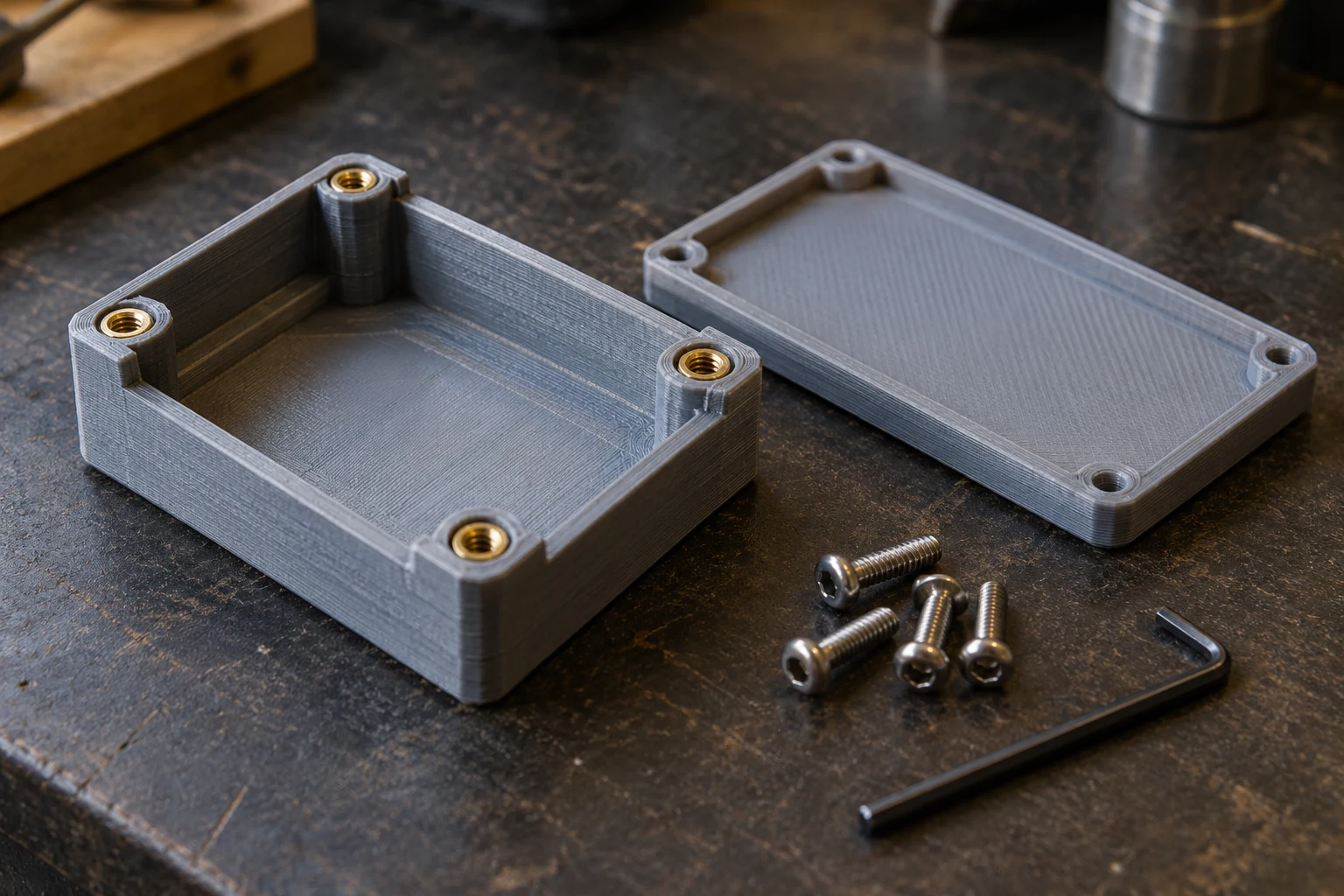 Illustration
A connection needs room for assembly, the right dimensions and a useful test. Decide how often the part will be opened before choosing the fastening.
Read the guide →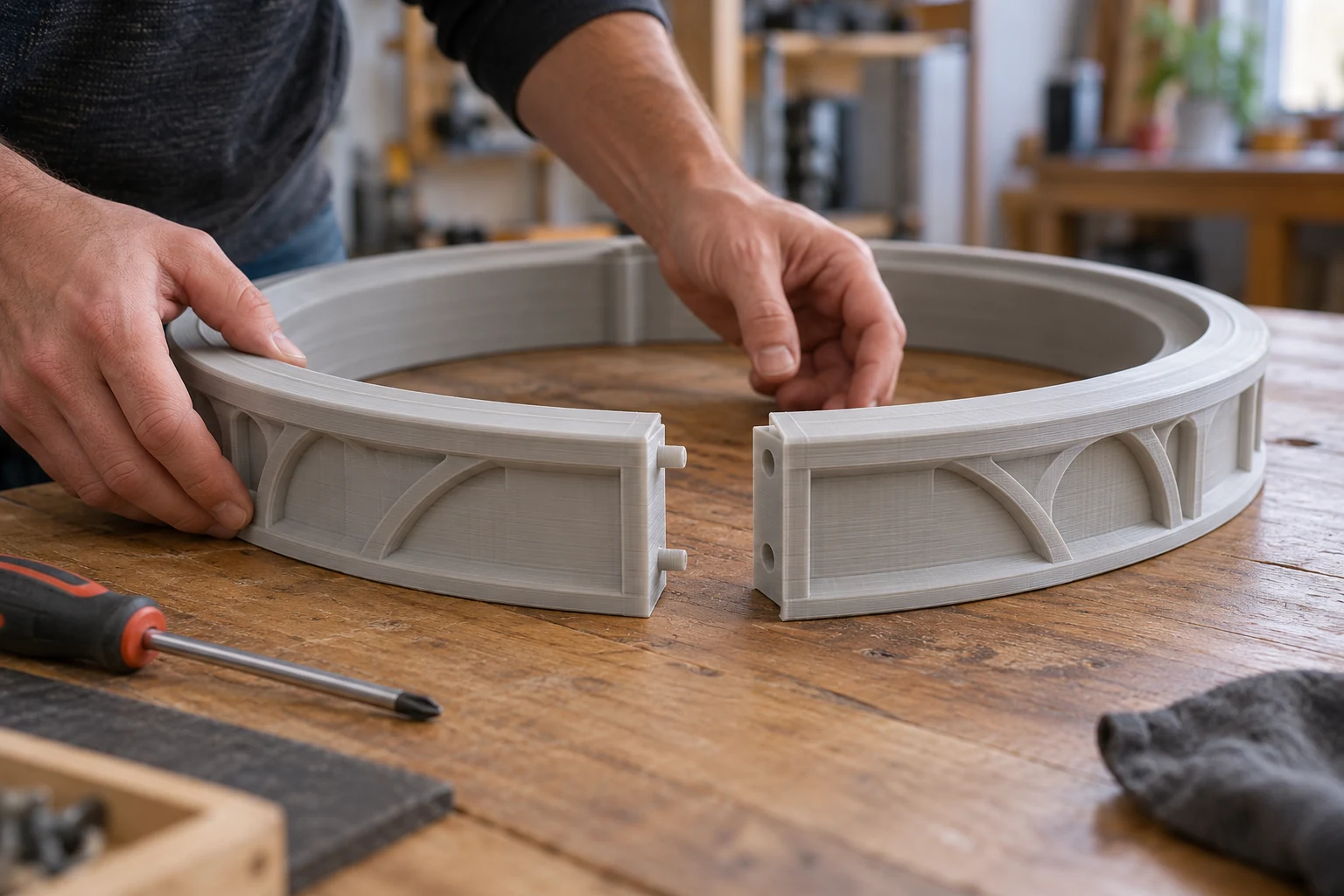 Illustration
A long narrow part and a large cube need different space. Give the real dimensions and discuss joints before assuming a model can be printed in one piece.
Read the guide →Custom parts for individuals and businesses, made in Estonia. Collect your order in Tallinn or arrange delivery.
Madara 33/1 – S1 (Decords)
10613 Tallinn, Estonia
Mon–Fri 10:00–18:00, Tallinn time
+372 5874 39633dprint@decords.comGet directions on Google Maps →