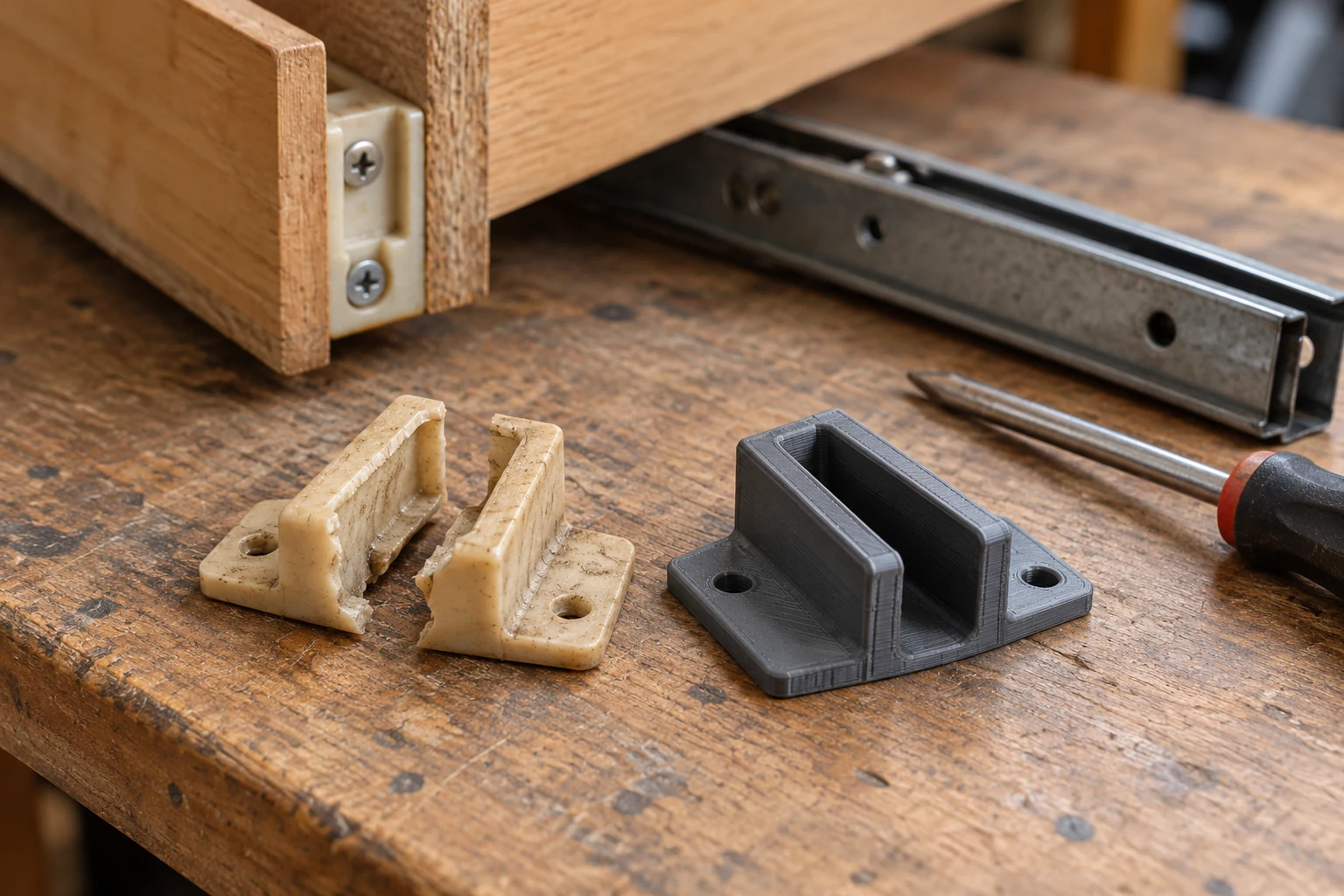
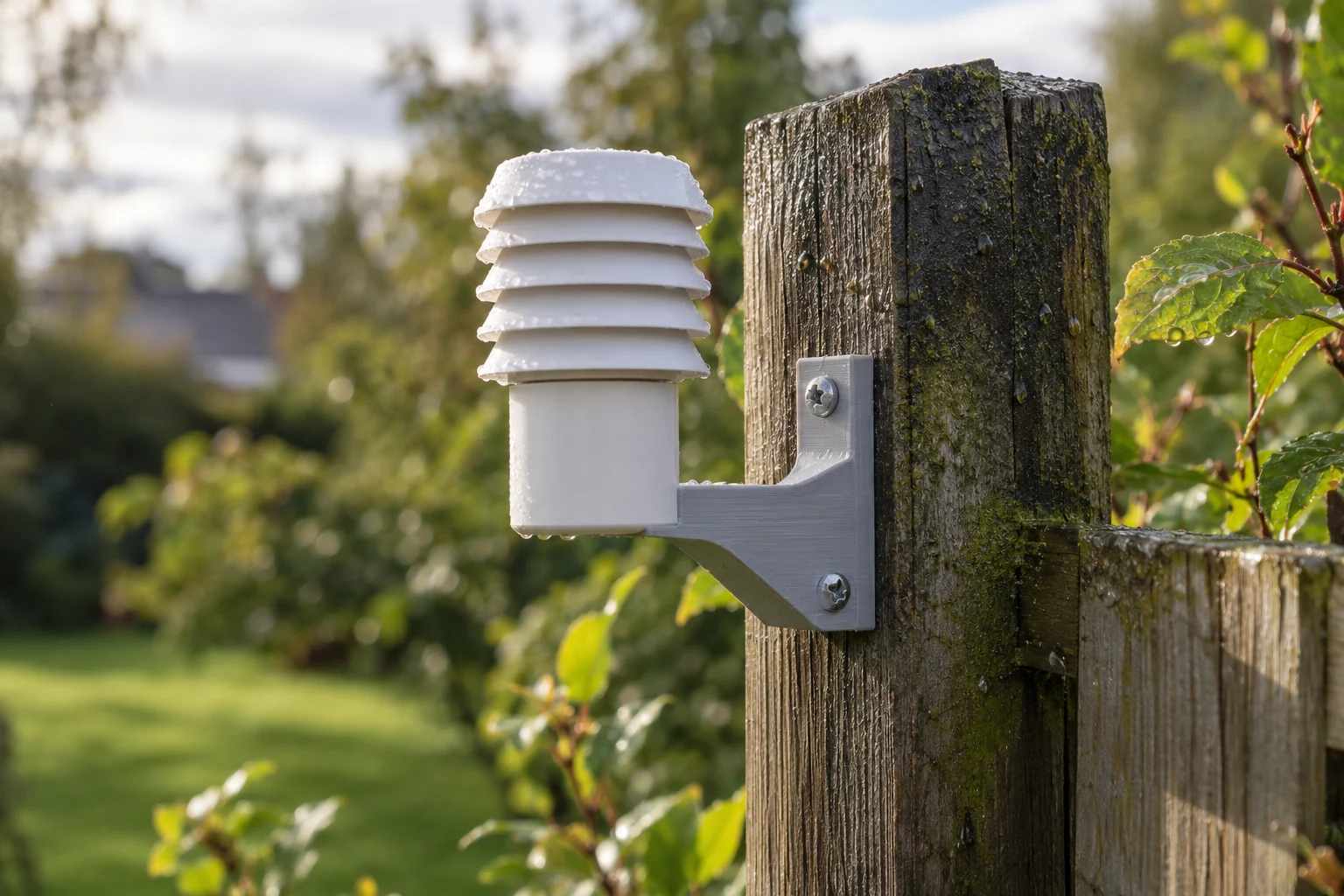
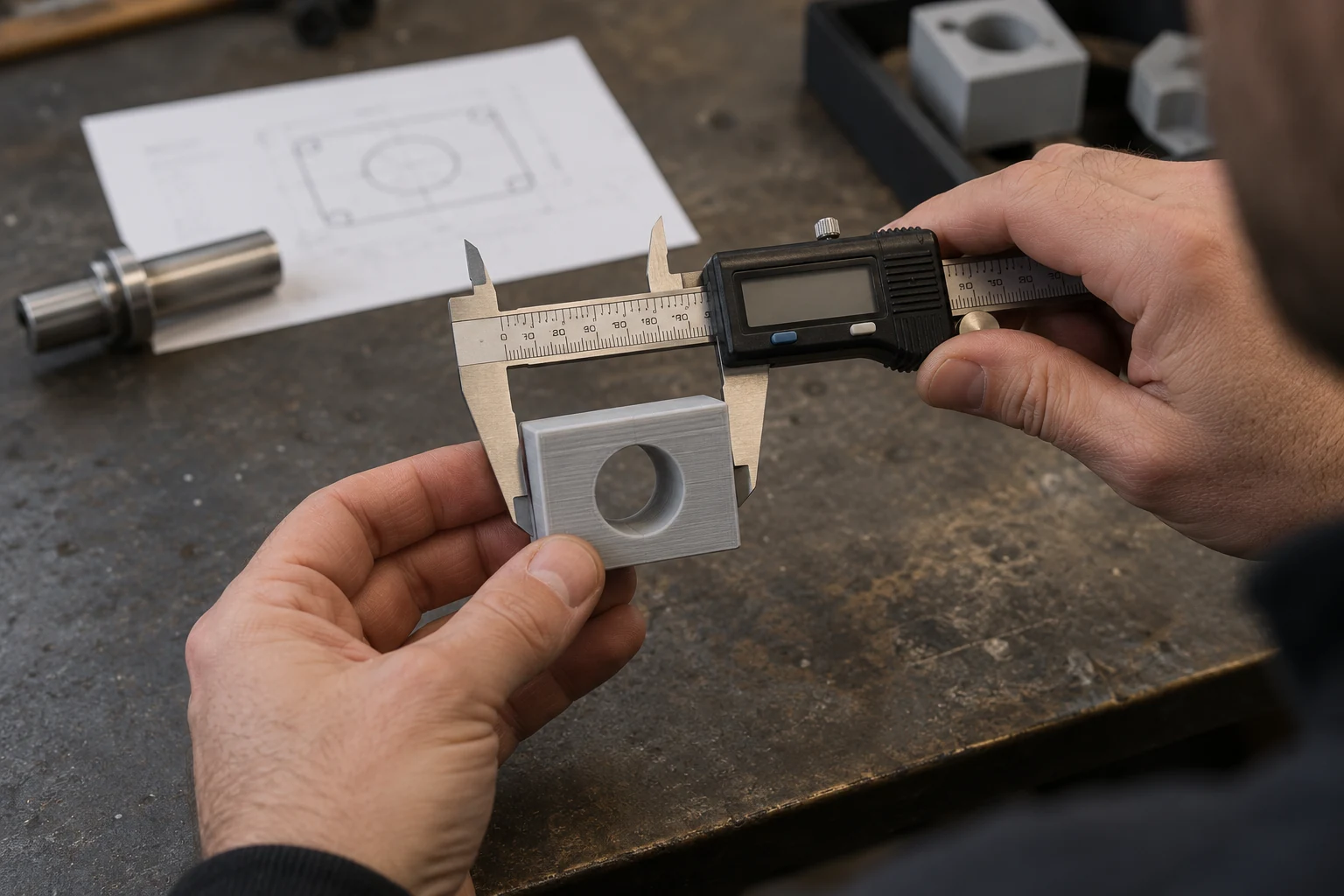
3D printing can be considered for organizers, caps and some adapters. A car differs from a normal indoor environment: heat, sunlight, vibration and mounting all matter. Choose the material and design for the particular installation.
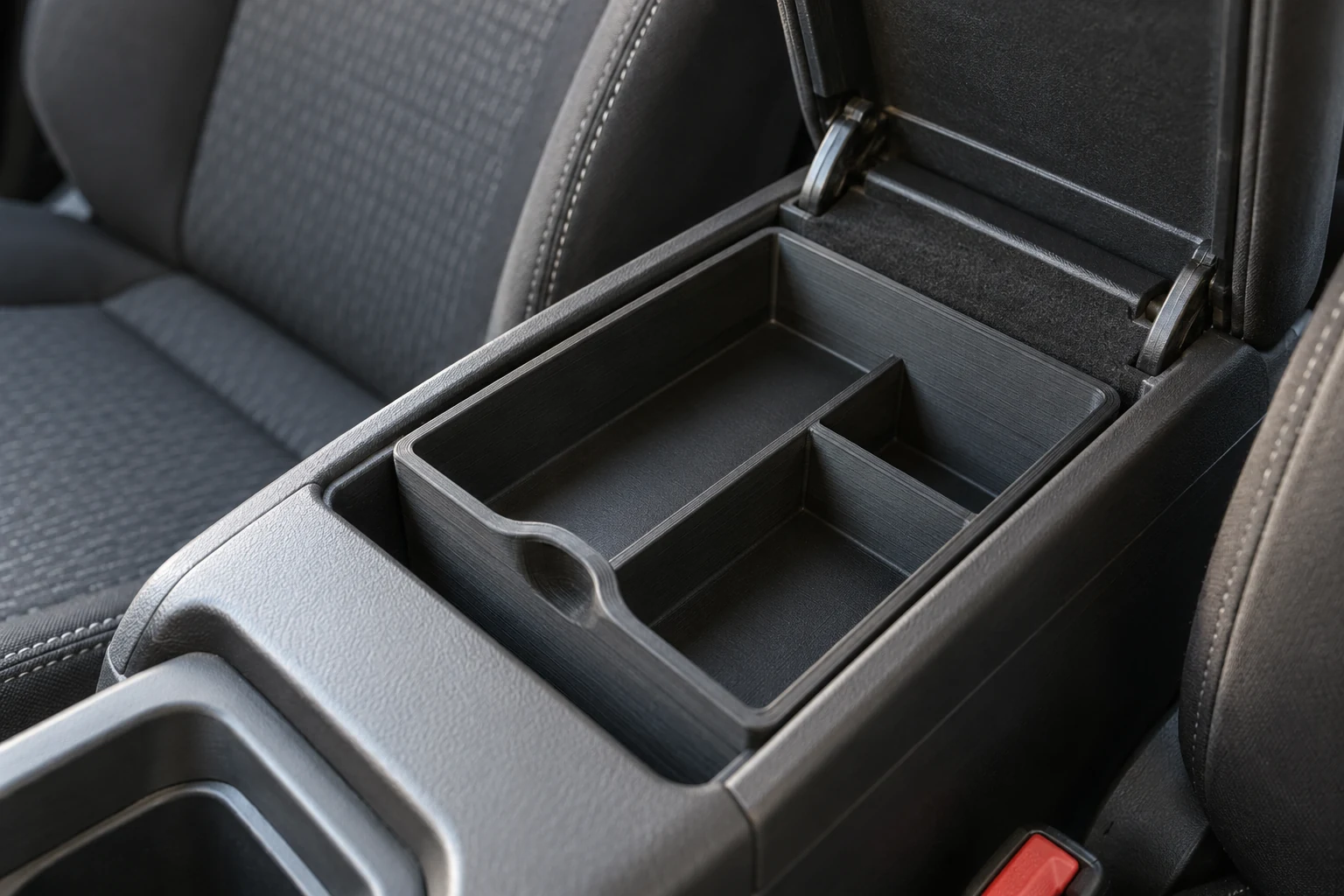
Start with the function, rather than the car’s badge
The make and model provide context, but manufacture needs dimensions and a function. An armrest organizer, decorative cap and accessory holder have different jobs. Show the installation area and explain what must fit inside or alongside it. Photograph the original component separately if it still exists.
Check for an available factory spare first. A custom print is particularly relevant when an unusual size is needed or an off-the-shelf option does not fit. When replacing a broken item, understanding the original failure is helpful; see the guide to replacement plastic parts.
Describe sunlight and heat exposure
An item near the windscreen and an insert inside a closed compartment have different working conditions. PLA should not be the automatic choice for a hot cabin because its heat resistance is limited. ASA is considered for sunlight exposure, but its name does not establish a universal service temperature.
Include the location, duration of exposure and expected temperature if known. Sustained load and contact with other surfaces matter as well. Do not use printing temperature as a guide to operating temperature. The article on ASA outdoors helps frame that discussion.
Check fit and retention on a sample
An insert needs the compartment’s inside dimensions, corner shape and a way to lift it out. A cap needs the fitting section measured. An adapter needs both joining surfaces shown. Snap features require their own dimensions, rather than only an overall rectangle.
With the first sample, check that the object clears adjacent components and can be installed without excessive force. Mark contact points. A photograph of a gap with a measured dimension is more useful than asking for a slightly tighter fit. Approve a batch after that trial.
Where an ordinary print order is not enough
Brake, steering, seat-belt, airbag and other important vehicle systems are not ordinary decorative-plastic applications. The same shape does not demonstrate suitability. Engine-bay parts also need specific information about temperature, exposure and mechanical load.
Position accessories so they do not obstruct visibility, controls or protective-system operating areas. For a simple organizer, the positioning check may be straightforward, but it still needs to happen before ordering. Choosing a plastic alone does not establish vehicle approval or service life.
Information that helps assess the order
Send installation photographs, a dimensioned sketch, purpose, quantity and color requirements. Show where a gap is acceptable and where it prevents the part from working. Upload a ready STL or OBJ to the calculator and include the working conditions with the request.
Without a file, start with the project description form. Modeling and printing are agreed separately. Allow for a sample and fitting check for a new solution. This gives the project a practical starting point rather than expecting a photograph alone to define a finished spare.
Common questions
Can I use the cheapest PLA for a cabin part?
Heat and location must be considered first. PLA is not suitable for every car environment. Explain whether the part sees sunlight and load before choosing.
Are the car model and year enough?
Usually photographs, dimensions and a description of the function are also needed. Similar-looking components can have different mountings and fits. A checked printable file makes assessment easier.
Technical references
Manufacturer guides explain printing and design principles. We agree the requirements for your particular part before production.
Find out what your model will cost.
Upload an STL or OBJ. If you do not have a file, send photos, a sketch and measurements. Modeling and printing are quoted separately.
Back to DECORDS 3D