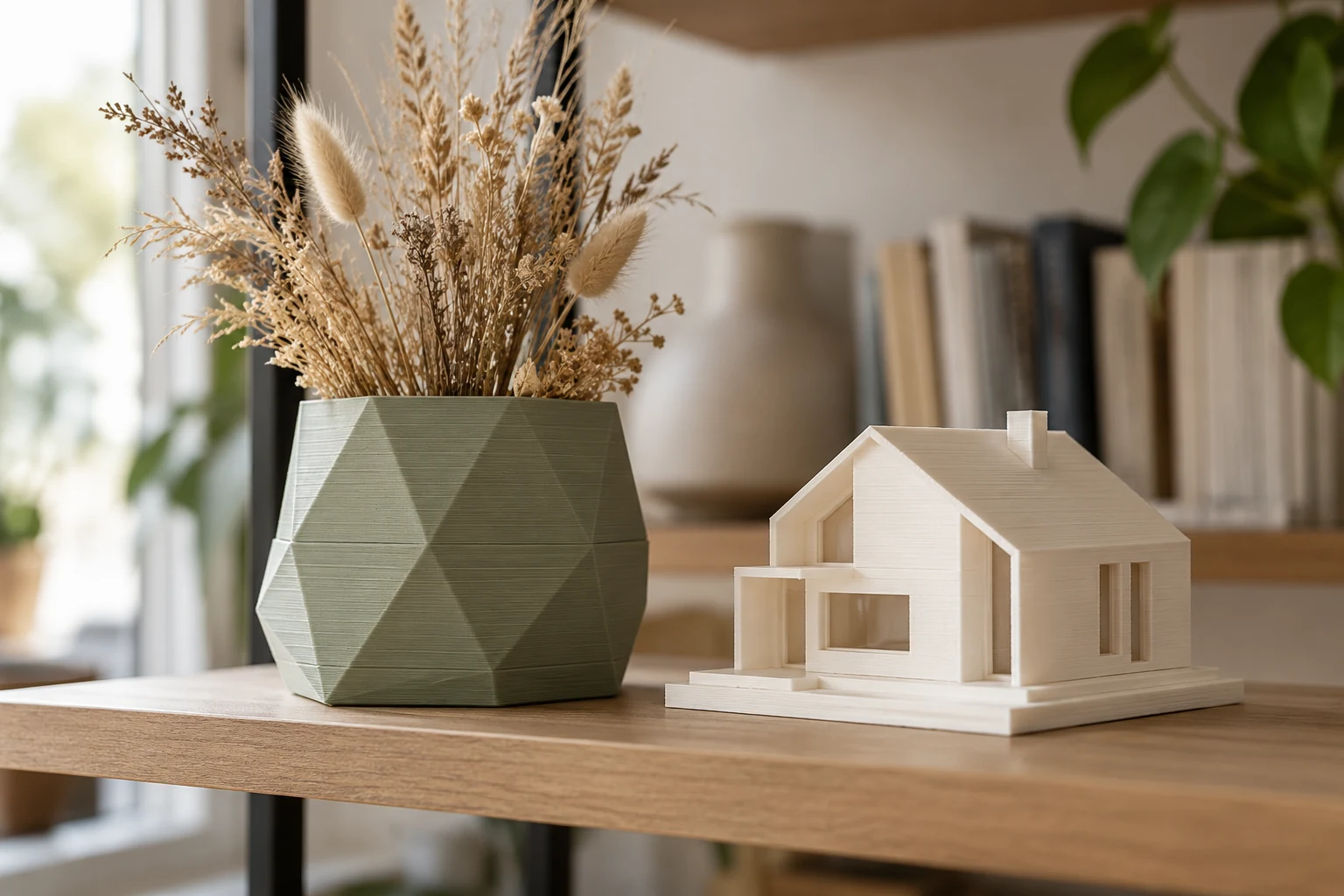
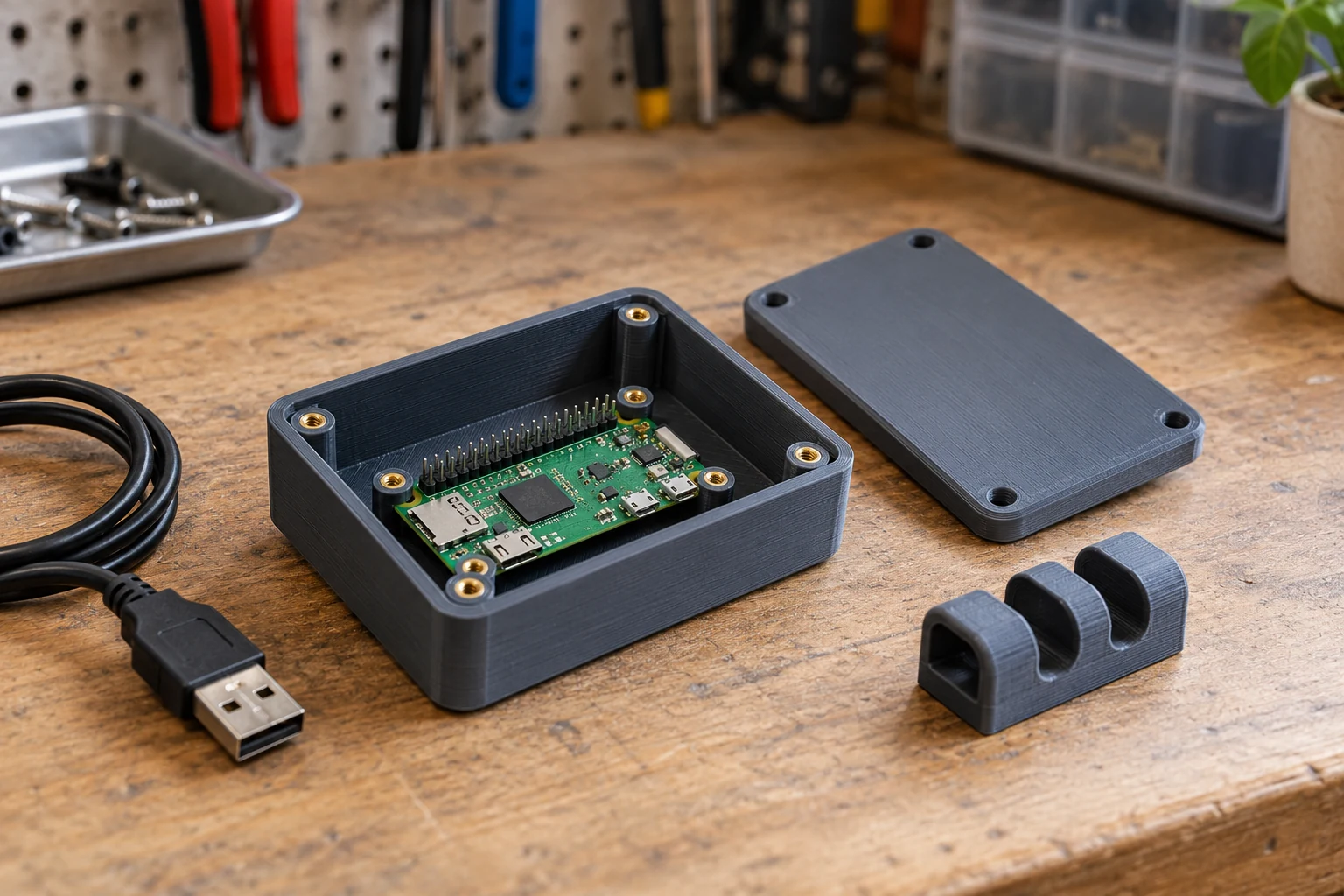
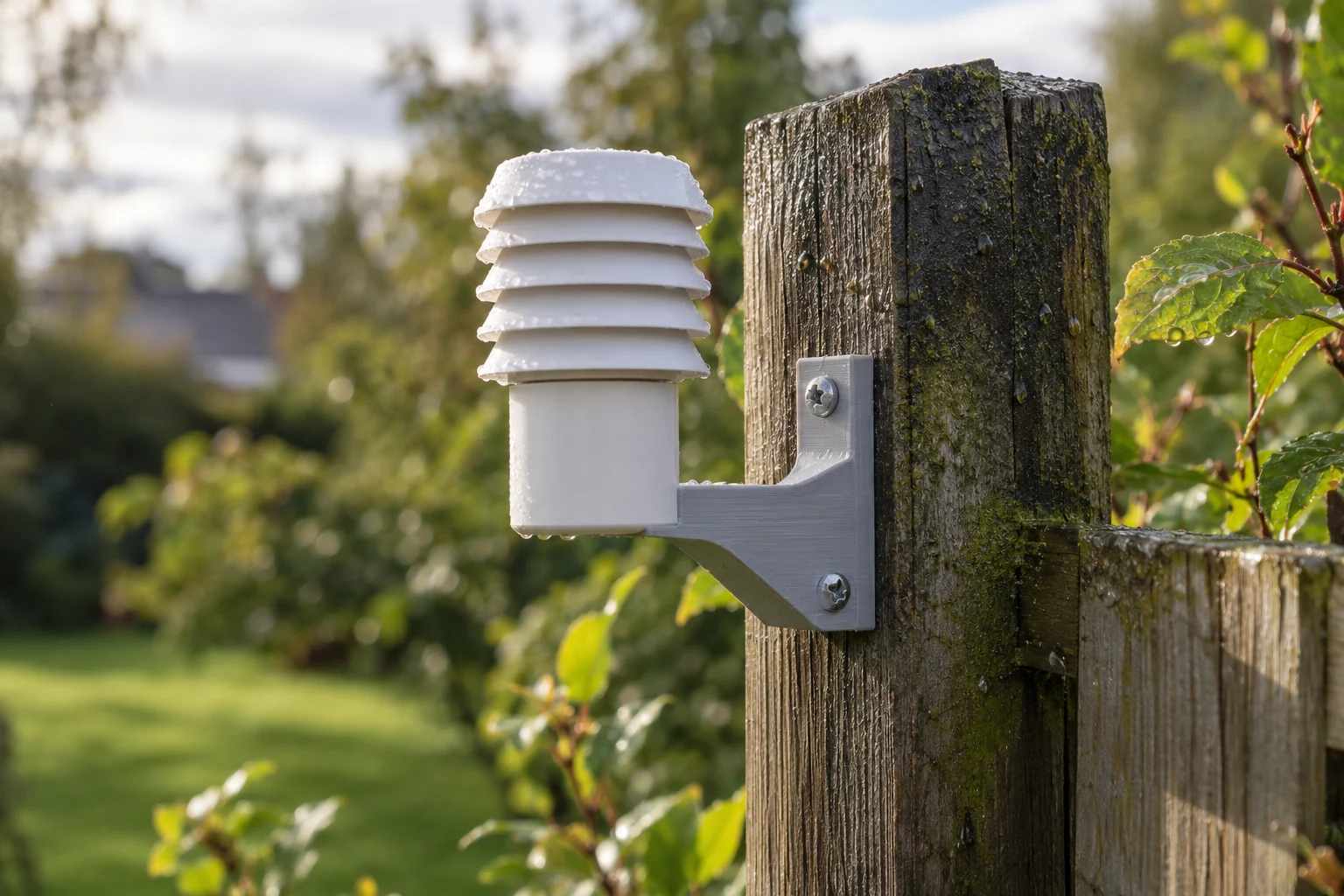
DECORDS 3D in Tallinn offers PLA, PETG, ASA and TPU for custom FDM printing. Start by deciding whether the part needs to stay rigid or flex, and describe its working environment. PLA is often considered for decorative forms, PETG for functional objects, ASA for outdoor use and TPU for flexible parts. The final choice also depends on geometry, load and the requirements you send with the model.
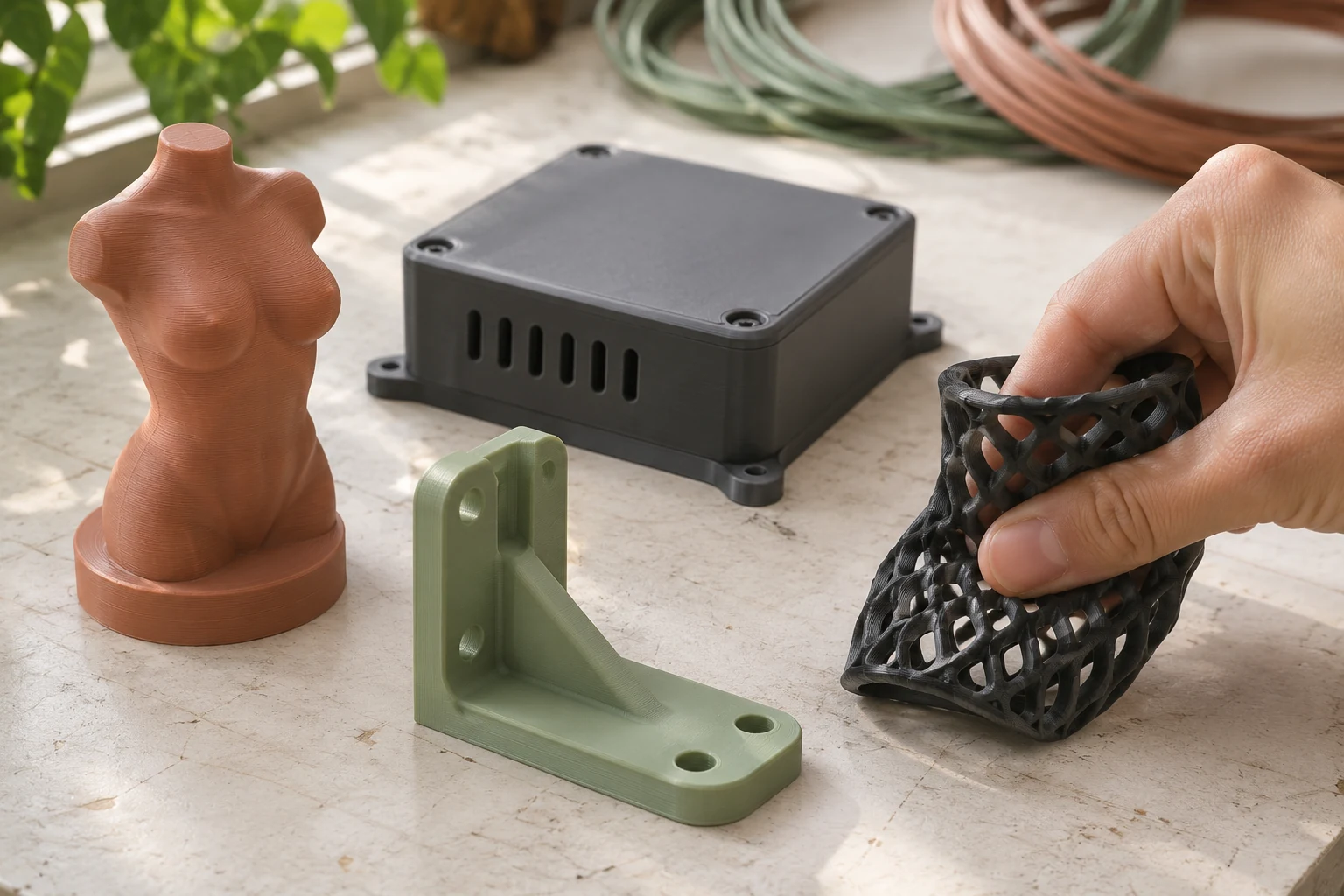
Think through what will happen to the part during normal use. It may sit on a shelf, hold a cable, remain beside a heat source or bend repeatedly. Those conditions are more useful than a request for the strongest plastic, because different properties solve different problems. If you do not know exact loads, describe the object in everyday language and show its installation position.
PLA is commonly considered for mockups, decorative forms and checks of a design’s geometry. The Prusa PLA guide notes its sensitivity to higher temperatures. Explain where the object will be used before choosing it for the order. A model that looks right does not by itself establish that the printed item suits a hot environment.
PETG is often considered for enclosures and other functional plastic parts. The Prusa PETG description provides an overview of the material’s properties. Show which components need to join and where a bending force may act. The design and direction of the printed layers also influence how the finished item behaves in that connection.
ASA is considered for outdoor objects because of its weather and ultraviolet resistance. That characteristic is described in the Prusa ASA guide. Identify the installation location and the sunlight exposure expected there. Selecting a material still leaves the fixings and complete design to be checked for the task they need to perform.
TPU belongs to the flexible material group and is considered when a part needs controlled bending. The Prusa flexible materials guide explains the general characteristics. Describe how soft the object should feel and how it will be squeezed or bent. Its shape also changes the sensation of flexibility, so the material name is only part of the brief.
Upload one model to the DECORDS 3D calculator and change the material while keeping its dimensions and quantity unchanged. This shows the effect on your actual request instead of borrowing a price example from another workshop. Check the available colors for each material and identify any essential shade. For a part that touches another object, provide the mating dimensions and explain whether a small clearance is acceptable.
Begin with a sample when fit, repeated loads or the feel in your hand will determine whether the design works. The trial can show whether thickness, a connection or the material needs changing. This is particularly useful before a small batch, when revising the whole set would involve more work. Agree the test and subsequent production terms in advance, then keep an approved model version for repeats.
DECORDS 3D accepts printing inquiries in Tallinn through the website and at 3dprint@decords.com. Include the model, dimensions, quantity and a short account of the intended use. If no file exists yet, send photographs and a sketch to discuss modeling as a separate job. Once the application and material are agreed, confirm the printing price and choose workshop collection or an available delivery method.